

A Smarter Way to Find House Window Replacement Near Me
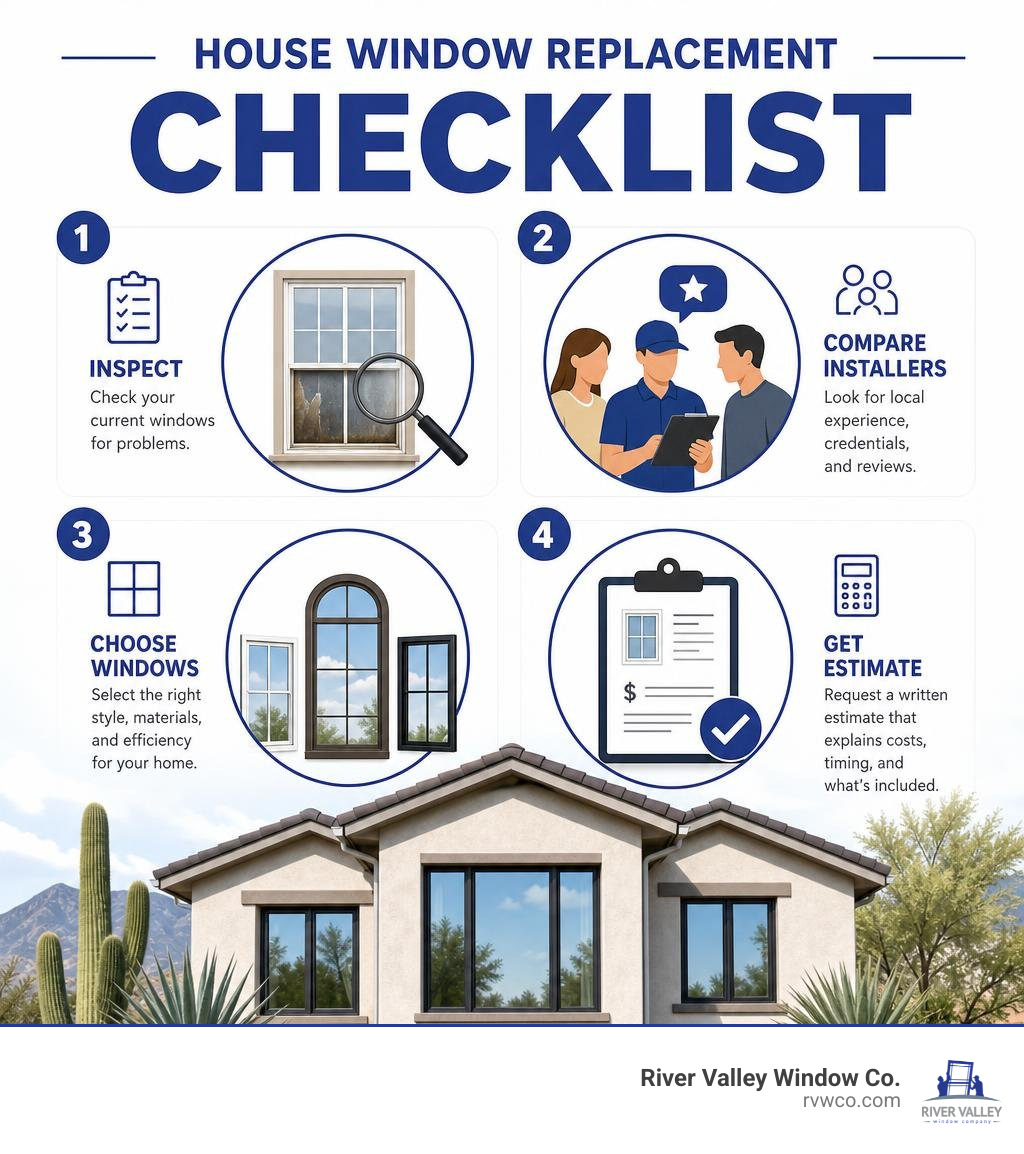
House window replacement near me should lead you to a local installer who can inspect your old windows, explain your options clearly, and provide a written estimate for the right solution.
For Northwestern Arizona homeowners, replacement is often about more than appearance. Drafts, hot rooms, fogged glass, stuck sashes, and rising cooling costs can all point to windows that are no longer doing their job. The right new windows can improve comfort, help manage solar heat, and refresh your home’s curb appeal.
Before choosing an installer, look for:
- Local experience with Arizona heat, sun exposure, and home styles.
- Licensed, insured, trained installers who measure each opening carefully.
- Clear product and labor warranties in writing.
- Energy-efficient options with suitable Low-E glass, U-factor, and solar heat gain ratings.
- A no-pressure in-home estimate that explains costs, timing, and installation needs.
This guide walks through the key checks before replacing your windows, from spotting failure signs to comparing materials, costs, warranties, and local contractors.
Basic house window replacement near me terms:
How to Tell It Is Time for Window Replacement
Recognizing when your home’s windows need attention is the first step toward restoring comfort and security. Windows deteriorate gradually over time due to constant exposure to heat, UV rays, wind, and routine wear. In regions like Lake Havasu City and across Northwestern Arizona, intense desert sunlight and temperature swings accelerate the degradation of window seals, frame finishes, and mechanical components.
Key Indicators for House Window Replacement Near Me
When searching for house window replacement near me, knowing the physical warning signs helps you communicate effectively with your contractor. Look for these clear indicators that your windows are failing:
- Drafts and Thermal Transfer: If you feel a wave of hot air coming through closed sashes during peak summer months, your window frame seals or glass package are failing.
- Trapped Condensation and Glass Fogging: Moisture, haze, or mineral deposits trapped between double-pane glass indicate a broken dual-seal insulated glass unit (IGU). Once the seal breaks, the insulating gas escapes, rendering the glass thermally ineffective.
- Sticking, Binding, or Failed Operation: Sashes that require muscle to push open, won’t stay open on their own, or refuse to lock properly pose both convenience issues and major home security risks.
- Frame Decay and Material Degradation: Warped, cracked, or yellowed frames allow air and moisture infiltration behind your drywall and exterior stucco.
- Excessive Street Noise: Older single-pane or poorly sealed windows let ambient traffic, neighbor activity, and wind pass directly into your living spaces.
For a deeper dive into diagnosing window failure, review our detailed guides on 3 Signs Its Time For Window Replacement and How To Know When You Need A Window Replacement.

Risks of Postponing Window Upgrades
Delaying necessary window replacements can lead to structural damage and unnecessary utility spending. When seals fail, air leakage forces your air conditioning unit to run continuously to maintain set indoor temperatures, driving up monthly electric bills.
Beyond energy loss, compromised windows allow desert dust, insects, and seasonal rain to enter hidden wall cavities. Over time, moisture intrusion rots interior wood framing, destroys drywall, and creates mold hazards behind baseboards. Protecting your property from these avoidable costs is critical; learn more about the severe consequences in our article on 3 Dangers Of Not Upgrading Your Windows And Doors.
Finding and Vetting House Window Replacement Near Me
Finding qualified local window specialists requires more than picking the first search result. Choosing an experienced contractor ensures that high-quality manufactured products are installed to precise structural standards.
Evaluating Local Window Installers
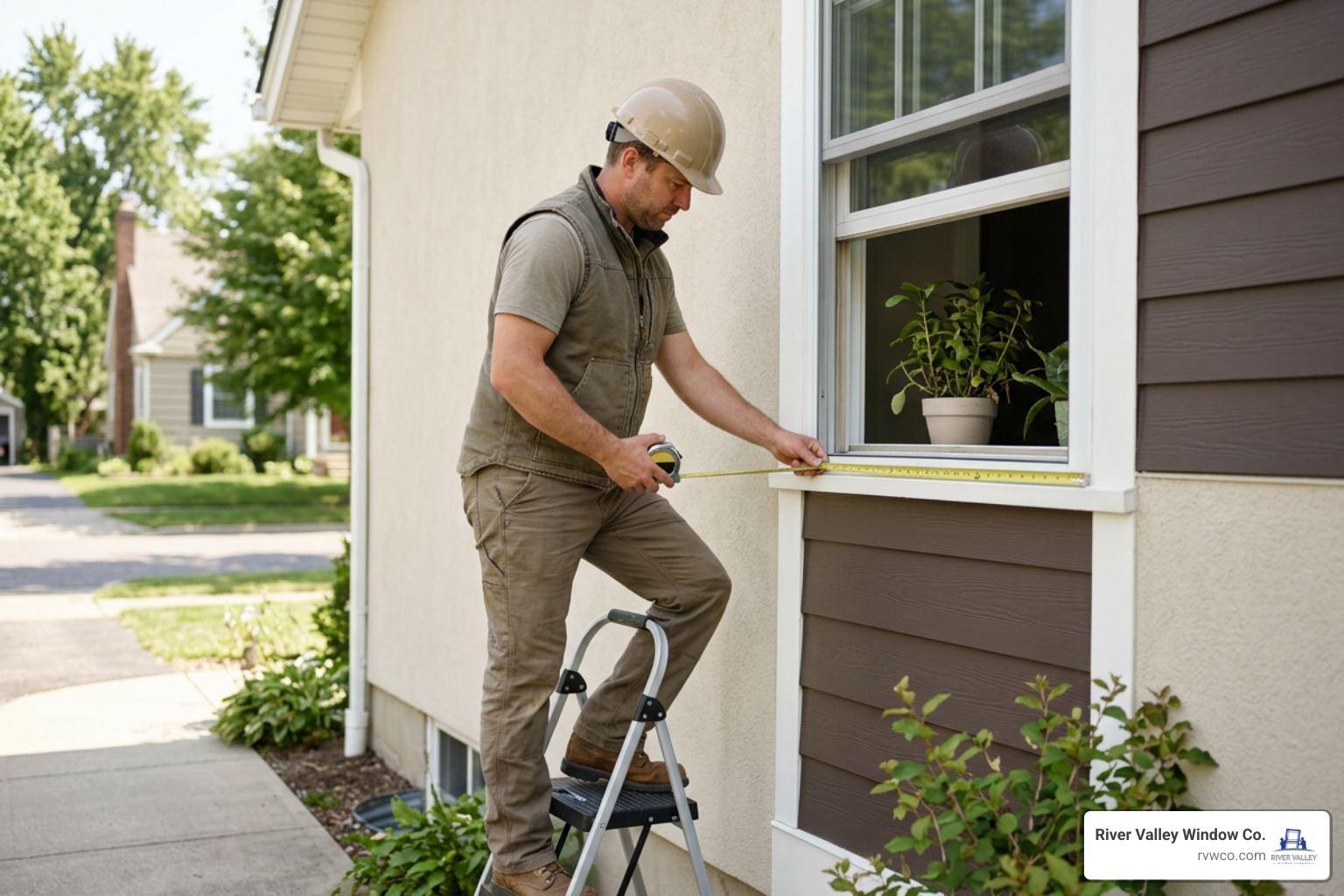
When evaluating installers, request credentials and verify their background before signing a contract. Use this qualification checklist during your selection process:
- Proper Licensing and Insurance: Confirm current state contractor licensing, general liability insurance, and full workers’ compensation coverage for all installation crew members.
- Specialized Manufacturer Certification: Look for factory-trained installers certified directly by window manufacturers like Milgard. Factory training ensures proper flashing, setting, and sealing techniques that uphold product warranties.
- Lead-Safe Certification: Ensure your installer follows EPA Lead-Safe practices when working on structures built prior to 1978.
- Local Reputation and Reviews: Look for verified customer feedback on Google and local business platforms with consistent 4.8-star ratings or higher.
- Direct Employee Crews: Inquire whether installations are completed by dedicated in-house employees rather than unvetted third-party subcontractors.
For complete advice on protecting your home investment, check out our guide on Dont Get Framed How To Pick The Best Window Installers.
In-Home Consultations and Diagnostic Estimates
A professional in-home consultation should be informative, practical, and pressure-free. During our visit, we perform laser measurements of every window opening, inspect existing head, jamb, and sill framing, and evaluate wall depth and exterior trim conditions.
We review real glass and frame material samples so you can test locking mechanisms, frame colors, and operational styles in your home’s direct sunlight. You will receive a itemized, written quote breaking down line-item material costs, complete labor specifications, and estimated project timelines without high-pressure sales tactics.
Selecting Window Styles, Frames, and Energy-Efficient Glass
Selecting the ideal window design involves balancing architectural aesthetics with long-term climate endurance.
Frame Materials and Architectural Window Styles
Modern residential window frame materials offer distinct benefits tailored to high-heat desert environments:
- Vinyl Frames: High-grade vinyl is low-maintenance, budget-friendly, and resistant to corrosion, rotting, and salt exposure. Lines like Milgard Tuscany® V400, V450, and Trinsic™ V300 feature specially formulated vinyl compounds designed to withstand harsh UV exposure without cracking or peeling.
- Fiberglass Frames: Premium fiberglass offers structural strength and expansion rates matching structural glass. This stability prevents thermal movement that can stress glass seals during daily heat cycles.
When choosing operational window styles, align your choices with room layout and ventilation needs:
- Double-Hung Windows: Feature top and bottom sashes that slide vertically and tilt inward for interior cleaning. Ideal for traditional homes.
- Casement Windows: Side-hinged sashes that crank outward to capture side breezes and provide unobstructed views.
- Sliding Windows: Smooth horizontal movement along rollers, ideal for wide openings or exterior areas near walkways and patios.
- Picture and Custom Specialty Windows: Non-operable units engineered for maximum solar views, arched openings, and custom architectural geometric designs.
To explore the ideal frame and style combinations for your floor plan, read How To Choose The Right Replacement Windows For Your Needs.
Energy Efficiency Ratings and Solar Protection
In Northwestern Arizona, managing solar heat gain is essential to controlling indoor utility costs. Understanding energy efficiency terminology helps you make informed choices:
- Solar Heat Gain Coefficient (SHGC): Measures the fraction of solar radiation admitted through a window. Lower values (typically under 0.25 in desert climates) reflect direct sun rays to keep interior living spaces cool.
- U-Factor: Measures the rate of non-solar heat transfer through the entire assembly. A lower U-factor indicates superior thermal insulation during cool winter nights.
- Low-E Glass Coatings: Microscopically thin metallic layers applied to interior glass surfaces that reflect infrared heat while transmitting natural daylight.
- Argon Gas Fills: Inert gas sealed between dual glass panes to slow thermal conduction far better than ordinary air.
Upgrading single-pane or failed double-pane units to Energy Star rated windows can save homeowners between $200 and $500 annually on cooling and heating costs. Learn how glass specifications affect performance in our guide: What You Need To Know Before Getting New Windows.
Window Replacement Costs, Timelines, and Warranties
Understanding project pricing, installation scopes, and warranty terms gives you clarity and peace of mind throughout your renovation.
Budgeting and Project Timelines
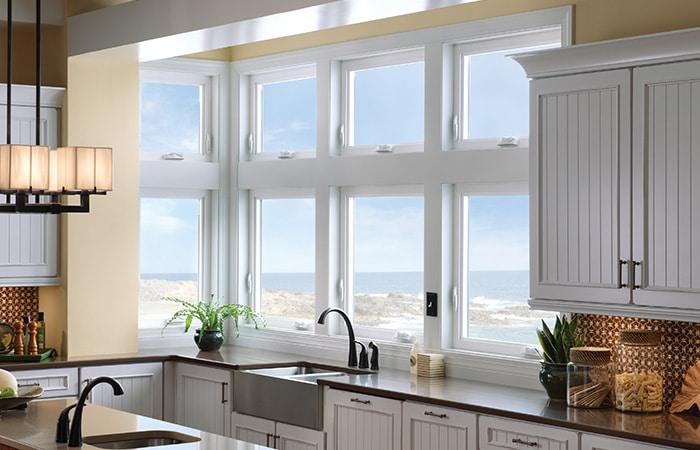
Across the residential window industry, replacement projects typically average between $450 and $1,400 per window installed, depending on frame material, custom glass packages, and architectural complexity. Basic vinyl sliding units start at accessible price points, while custom fiberglass assemblies or large multi-pane configurations fall at the higher end of the scale.
The physical replacement procedure generally utilizes one of two methods:
- Insert Window Replacement: Fits a new window unit directly into an existing square, unrotted frame. This non-invasive method leaves exterior stucco and interior trim undisturbed.
- Full-Frame Replacement: Removes the entire frame, sill, and exterior trim down to the wall studs. This method is required if water damage or structural rotting is present around original openings.
Most standard installations (10 to 15 windows) are completed in 1 to 2 days by a trained 4 to 5 person crew. Individual window drop-ins take under an hour per opening, ensuring minimal disruption to your daily routine.
For local planning tips and step-by-step financial advice, consult our resources:
- How To Budget For Window Replacement For Your Home
- A Painless Guide To The Best Way To Replace Windows
- Window Replacement Lake Havasu
Warranty Coverage for House Window Replacement Near Me
Protecting your investment requires understanding product and labor warranty structures. The standard Limited Lifetime Warranty varies by new construction vs replacement scope and occupancy; if transferred after sale, it becomes a 10-year parts-only limited warranty calculated from manufacture date, with 10-year hardware coverage and product-specific finish/weatherstripping limitations. We back our products with clear warranty coverage, outlined below:
| Feature / Coverage Area | Milgard Standard Limited Lifetime Warranty | Paid Full Lifetime Warranty Upgrade |
|---|---|---|
| Coverage Scope | Varies by new construction vs replacement scope and occupancy | Valid for natural lifetime of original owner; non-transferable |
| Labor Coverage | Standard factory parts coverage | Full coverage for parts and direct installation labor |
| Glass Breakage Protection | Standard coverage (varies by series) | Included for Tuscany® V400 & V450; optional paid upgrade for Trinsic™ V300 |
| 10-Year Specific Coverage Limits | Insulated glass unit delamination, blind defects, peeling or fading finishes | Covered under primary lifetime terms for original owner |
| 1-Year Specific Coverage Limits | Weatherstripping, screens, corrosion on stainless steel hardware | Covered under primary lifetime terms for original owner |
| Transferability Terms | Transferred policy becomes a 10-year parts-only limited warranty calculated from manufacture date, with 10-year hardware coverage and product-specific finish/weatherstripping limitations | Non-transferable |
When evaluating warranty protections, make sure to read all terms carefully so you know exactly what is covered over the life of your windows.
Frequently Asked Questions
How can I schedule a free window estimate or consultation?
Scheduling an in-home estimate is simple. Contact our local office directly to pick a consultation time that fits your schedule. Our technician will visit your home, inspect your current windows, take precise opening measurements, discuss frame styles and glass packages, and deliver an itemized written quote with clear pricing and zero sales pressure.
How long does window installation usually take?
For a standard home project involving 10 to 15 windows, our installation crew usually completes the job in 1 to 2 days. Single window replacements take under an hour per opening. We work efficiently, maintain clean work zones, lay down drop cloths, and perform thorough post-installation walkthroughs before clean up.
Are energy-efficient windows worth the investment?
Yes. Replacing outdated single-pane or failed double-pane windows with high-efficiency Low-E glass units can cut home heating and cooling utility costs by $200 to $500 annually. Beyond financial savings, energy-efficient windows stabilize indoor temperatures, reduce drafty hot spots during summer, shield interior furnishings from fading UV rays, and reduce outside street noise.
Conclusion
Replacing your home’s windows upgrades comfort, reduces monthly energy bills, and boosts your property’s overall curb appeal. By choosing high-performance vinyl or fiberglass products, verifying contractor credentials, and selecting comprehensive warranty coverage, you can enjoy lasting peace of mind and home comfort for decades to come.
When searching for house window replacement near me, partner with trusted local specialists who understand Northwestern Arizona’s desert climate. Our expert team delivers clean, efficient, non-invasive installations backed by industry-leading warranties. Contact us today to schedule your free, no-pressure in-home estimate and explore our professional window replacement services.