

Why Choosing the Best Window Installers Matters More Than You Think
Finding the best window installers for your home isn’t just about picking the lowest quote. The right installer determines whether your new windows perform as promised — blocking heat, cutting energy bills, and lasting for decades.
Quick Answer: What Makes a Window Installer the Best?
| Factor | What to Look For |
|---|---|
| Credentials | Licensed, insured, and manufacturer-certified |
| Reviews | 4.5+ stars across multiple platforms |
| Warranty | Covers both the product and the installation labor |
| Transparency | Clear pricing, no pressure, written quotes |
| Experience | Years in business, number of projects completed |
| Installation quality | In-house crews, not subcontractors |
Here’s the problem most homeowners run into: windows are a big investment — typically $200 to $1,800 per window depending on material, size, and features. A poor installer can ruin even the best window product. Drafts, leaks, and failed seals often come down to how a window was installed, not what brand it is.
In Arizona’s climate, that risk is even higher. Extreme heat, UV exposure, and monsoon-season rain put real stress on windows and the seals around them. Getting the installation right the first time matters.
This guide walks you through everything you need to know — from window types and energy ratings to pricing, red flags, and how to verify a contractor before you sign anything.
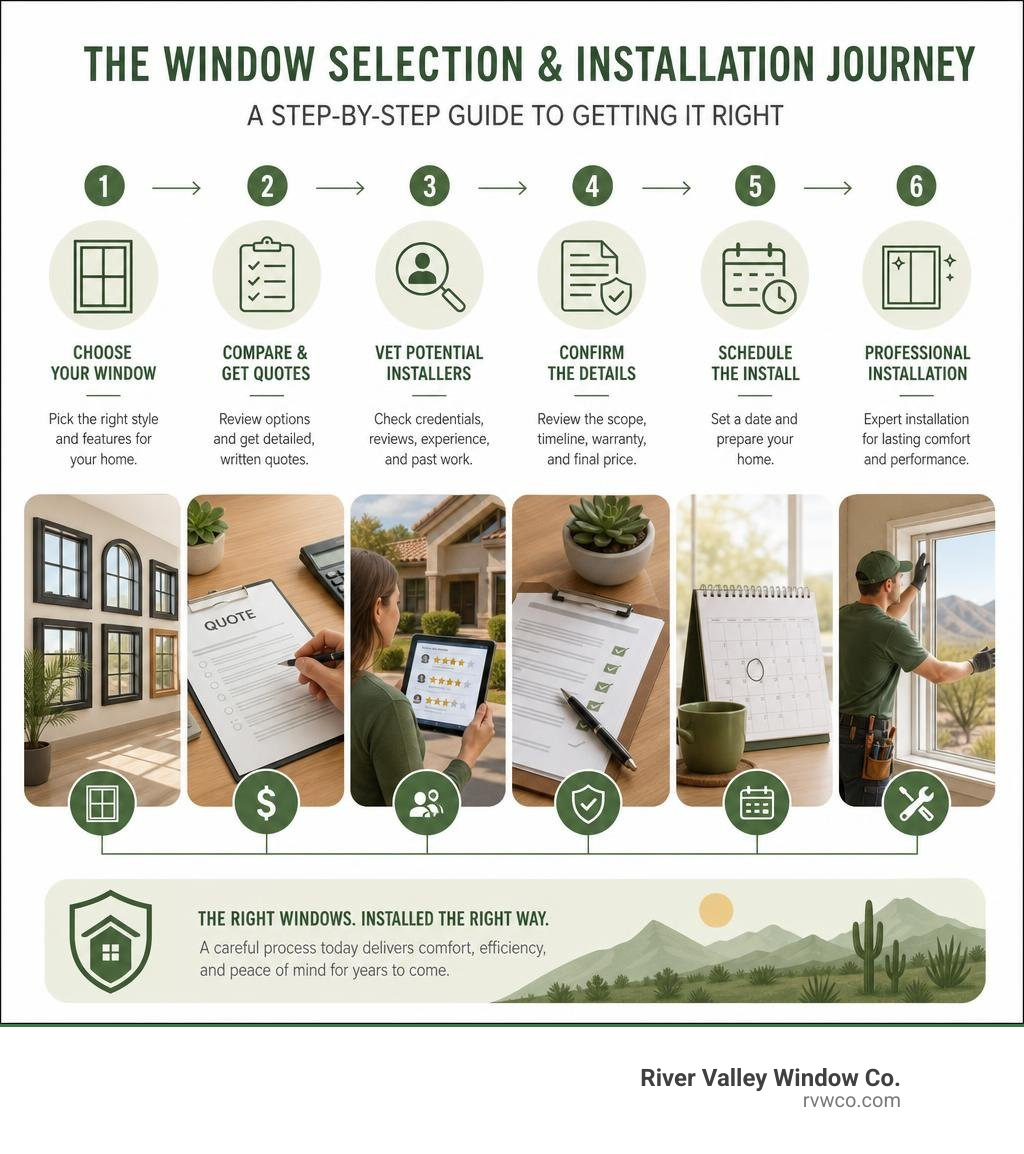
Understanding Window Types and Performance Ratings
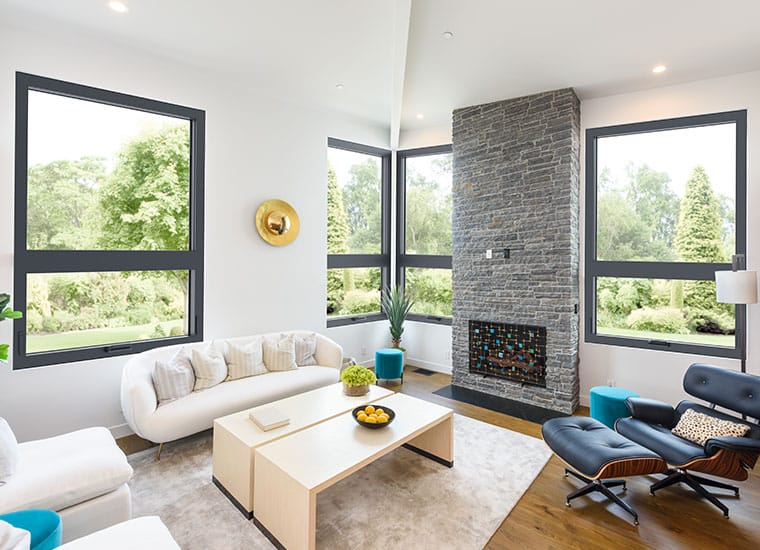
Selecting the right window starts with understanding what they are made of and how they are rated to perform under extreme weather conditions. In the intense heat of Northwestern Arizona, a beautiful window is useless if it cannot keep the scorching summer air outside.
Vinyl, Wood, and Composite Materials Compared
The frame material you select impacts your home’s energy efficiency, maintenance requirements, and overall lifespan.
- Vinyl Windows: Vinyl is the most popular material on the market today. High-quality vinyl windows are highly durable, require virtually zero maintenance (just a quick wash with soap and water), and provide excellent insulation. They do not need painting or sealing, making them a highly practical choice.
- Wood Frames: While wood offers unmatched classic beauty and excellent natural insulation, it is highly vulnerable to the elements. In desert climates, the intense heat and dry air can cause unprotected wood to crack, warp, or split over time, requiring consistent maintenance and painting.
- Composite and Fiberglass Materials: Composite frames (often made of fiberglass or proprietary blends) represent the cutting edge of window engineering. Fiberglass windows are incredibly strong – up to 200% stronger than standard vinyl – and are designed to resist cracking, pitting, corrosion, and rot. In fact, industry data shows that fiberglass windows can last up to 38% longer than standard vinyl windows.
When deciding on the right material for your home’s unique architectural style and climate needs, it helps to read up on How to Choose the Right Replacement Windows for Your Needs and explore the options for Getting the Perfect Windows for Your Home.
How Independent Labs Test for Wind and Rain Resistance
To ensure that marketing claims match real-world performance, independent laboratories like the National Fenestration Rating Council (NFRC) and consumer advocacy groups conduct rigorous stress tests.
For example, when testing double-hung windows, labs install 3×5-foot units in structural wooden frames. They then subject them to extreme scenarios:
- Wind Resistance: Windows are subjected to simulated 25 mph and 50 mph wind speeds at extreme temperatures ranging from 0°F to 70°F to measure air leakage. The best-performing windows can withstand simulated hurricane-force winds up to 74 mph, while poorly constructed units begin leaking air at just 35 mph.
- Rain Simulation: To test water intrusion, labs blast the windows with simulated windblown rain at a rate of 5 gallons of water per square foot per hour.
These independent tests ensure that when monsoons hit Northwestern Arizona, your home remains dry and secure.
Energy-Efficient Features: Low-E, Argon Gas, and Triple-Pane Glass
When it comes to lowering your utility bills in Lake Havasu City, the glass package is the unsung hero of your window’s performance. There are three key technologies that dictate how well your window blocks heat:
- Low-E (Low-Emissivity) Coatings: This microscopically thin, transparent metallic oxide layer is applied directly to the glass. It reflects infrared and ultraviolet light, keeping summer heat out while allowing natural light in. This coating can block up to 95% of harmful UV rays, protecting your skin and preventing your furniture and flooring from fading.
- Argon Gas Fills: Standard double-pane windows have air between the glass. Energy-efficient upgrades replace this air with argon gas, which is denser than air and acts as a highly effective thermal barrier, significantly reducing heat transfer.
- Triple-Pane Glass: For maximum thermal resistance, triple-pane windows utilize three layers of glass separated by two gas-filled spaces. High-performance triple-pane glass can achieve an impressive U-rating (the measure of heat transfer) of .20, providing exceptional insulation.
Upgrading to these features is one of the most reliable ways to reduce home energy consumption. To learn more about the financial and environmental benefits, check out What Are the Benefits of Replacement Windows? and see How New Windows and Doors Can Help You Save on Your Energy Bills.
Pocket vs. Full-Frame: Choosing Your Installation Method
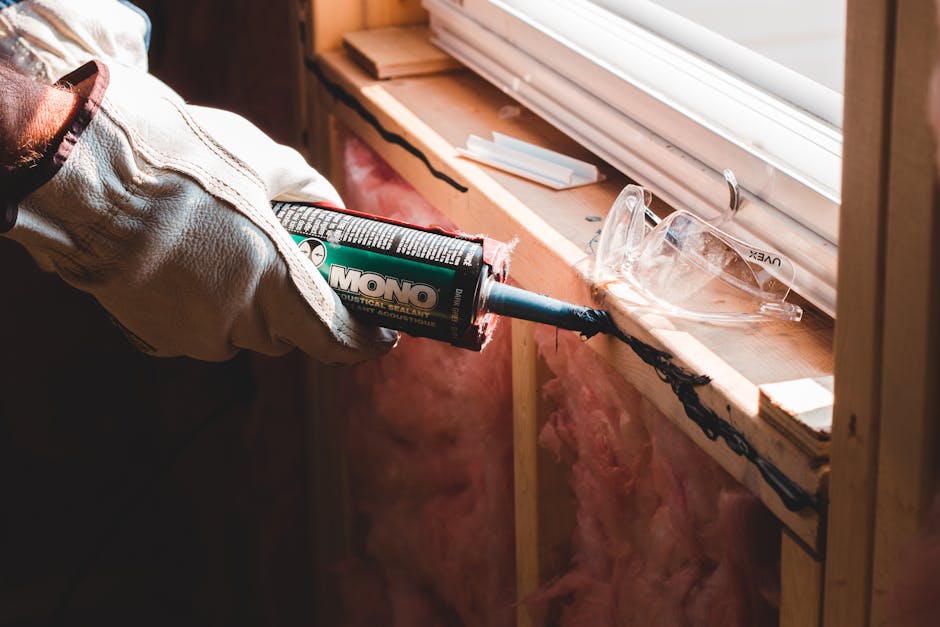
Once you have selected your ideal window, you must decide how it will be installed. The best window installers will evaluate your existing window frames to recommend one of two primary installation methods.
The Mechanics of Insert and Full-Frame Replacements
The right method depends entirely on the structural integrity of your home’s current window openings.
- Insert (Pocket) Replacement: This method is used when your existing window frames are structurally sound, square, and free of rot or moisture damage. The installer removes the old sashes and hardware, leaving the original frame and exterior trim intact. The new window unit is then slipped directly into the existing pocket. Because it requires less labor and preserves the original trim, pocket replacement is fast and cost-effective. However, because you are placing a frame within a frame, it slightly reduces the overall glass viewing area.
- Full-Frame Replacement: If your existing frames are warped, rotted, or leaking, a full-frame replacement is required. The installer removes the entire window, including the frame, interior trim, and exterior casing, exposing the raw wall studs. This allows the crew to inspect the structural opening for water damage, apply new flashing and waterproofing membranes, and install a completely new window system. This method is more labor-intensive and expensive, but it ensures absolute structural integrity and allows you to change the size or style of the window.
Before making a decision, it is wise to review What You Need to Know Before Getting New Windows to understand which method aligns with your home’s current condition.
What to Expect During the Installation Process
A professional window installation is a highly coordinated process. While the idea of having holes in your walls can sound stressful, working with the best window installers ensures a smooth, “pane”-free experience.
Here is what a typical single-day installation looks like with a certified 4-to-5-person crew:
- Site Preparation: The crew arrives promptly, placing drop cloths inside and outside your home to protect your flooring, furniture, and landscaping.
- Deconstruction: Old window sashes or frames are carefully removed to avoid damaging the surrounding drywall or stucco.
- Preparation & Waterproofing: The opening is cleaned, repaired, insulated, and sealed with advanced weatherproofing flashing.
- Window Setting: The new custom-sized window is leveled, shimmed, and secured into the opening.
- Sealing & Insulation: Expanding polyurethane foam insulation is applied around the frame to eliminate air leaks, followed by high-grade exterior silicone caulking.
- Trim & Cleanup: Interior trim is reinstalled, the glass is cleaned, and the crew vacuums the entire workspace.
- Final Walkthrough: The lead installer walks you through each window, demonstrating how they operate, lock, and tilt for cleaning.
How to Budget and Finance Your Window Project
Upgrading your home’s windows is a significant financial investment, but it is also one of the most reliable ways to increase your property’s value.
Average Costs and Key Pricing Factors
Window replacement costs vary widely based on frame material, glass packages, and labor. Nationally, prices range from $200 to $1,800 per window, with an average replacement cost of around $650 per window.
| Window Style | Vinyl Frame Cost | Fiberglass / Composite Cost |
|---|---|---|
| Double-Hung | $350 – $800 | $700 – $1,300 |
| Casement / Awning | $400 – $900 | $800 – $1,500 |
| Sliding Window | $300 – $750 | $650 – $1,200 |
| Picture Window | $300 – $700 | $600 – $1,100 |
| Bay & Bow (Multi-unit) | $1,200 – $3,500 | $2,500 – $6,000 |
Several factors influence where your project will fall on this pricing spectrum:
- Material: Premium fiberglass and composite frames cost more upfront than standard vinyl but offer superior longevity.
- Glass Upgrades: Triple-pane glass and advanced Low-E coatings add to the initial cost but yield greater energy savings.
- Labor and Complexity: Hard-to-reach second-story windows, arched windows, or full-frame replacements increase labor rates.
Despite the upfront cost, high-quality replacement windows in western upscale homes yield an impressive average 74.5% return on investment (ROI). To help plan your project finances, explore How to Budget for Window Replacement for Your Home and read up on What Kind of Window Offers the Best ROI?.
Flexible Financing and Payment Options
You do not have to pay for your entire project out of pocket. Reputable window installation companies offer flexible payment solutions to fit your monthly budget. These options often include:
- Low Monthly Payment Plans: Some plans allow you to install new windows for as low as $40 to $100 per month.
- Zero-Down, 0% Interest Financing: Qualified buyers can take advantage of promotional periods with no money down and interest-free financing for 12 to 24 months.
- Home Improvement Loans: Specialized home renovation credit programs can provide long-term, low-interest financing for larger residential projects.
How to Evaluate and Choose the Best Window Installers
Finding a high-quality window is only half the battle; hiring the right team to install it is what guarantees long-term performance.
Verifying Credentials, Licensing, and Warranties
Before you sign a contract, you should thoroughly vet the installation company’s credentials. Be sure to verify:
- Licensing and Insurance: Ensure the contractor holds active, state-specific licenses and carries both general liability and workers’ compensation insurance.
- Manufacturer Certifications: The best window installers hold specialized certifications from the manufacturers they represent (such as certified dealer status). This ensures their crews have undergone factory training to install the products to exact engineering standards.
- Warranty Structure: Look for a company that stands behind their work. A standard manufacturer’s warranty only covers defects in the window material itself. The best companies provide a secondary, comprehensive workmanship warranty that covers the labor and installation seals.
For a deeper dive into vetting potential contractors, read our guide on What to Look for in Your Window and Doors Company.
Finding the Best Window Installers: National Brands vs. Local Experts
While massive national brands offer consistency, they often lack the specialized knowledge required for regional climates. Choosing a local expert who understands the unique weather challenges of Northwestern Arizona is often the superior choice.
Local window companies live and work in your community. They know exactly how the local sun, wind, and heat affect window seals, and their reputations depend entirely on local word-of-mouth and high BBB ratings. By choosing a local specialist, you ensure that your installation is tailored to withstand the intense desert climate.
Red Flags to Avoid When Hiring the Best Window Installers
When gathering estimates, keep an eye out for these common warning signs of predatory sales practices:
- High-Pressure Sales Tactics: Avoid companies that insist both spouses must be present for a consultation, use “today-only” pricing drops, or refuse to leave until you sign a contract.
- Vague Estimates: A reputable contractor will provide a detailed, line-item written estimate that clearly outlines the cost of materials, labor, permits, and disposal fees.
- Subcontracted Crews: Many large companies sell you the windows and then hire third-party, general laborers to perform the actual installation. Always ask if the installation crew consists of certified, in-house employees.
To protect yourself, make sure to ask the right questions during your consultation. You can prepare by reviewing these 3 Questions to Ask a Window Replacement Company.
Frequently Asked Questions About Window Replacement
How long does the window installation process typically take?
For an average-sized residential home (10 to 15 windows), a professional 4-to-5-person crew can complete the entire installation in a single day. Larger homes with custom architectural glass or extensive full-frame replacements may take two days.
What is the difference between a manufacturer warranty and an installation warranty?
A manufacturer warranty covers the physical window unit against defects, such as glass breakage, vinyl peeling, or seal failure. An installation (or workmanship) warranty is provided by the contractor and covers the labor, flashing, and sealing. If a window leaks because it was installed poorly, the manufacturer’s warranty will not cover the damage — which is why a robust workmanship warranty is so critical.
Which window materials offer the best resistance to extreme weather?
Fiberglass and high-quality composite materials offer the best resistance to extreme weather. Unlike wood, they do not rot or warp when exposed to moisture. Unlike standard vinyl, they do not expand, contract, or crack under intense desert heat, ensuring the airtight seals around your windows remain intact for decades.
Conclusion
Upgrading your home’s windows is a powerful way to increase curb appeal, improve daily comfort, and protect your home from the elements. However, even the most advanced, energy-efficient window will fail if it is installed incorrectly.
At River Valley Window Co., we believe in making home improvement simple, transparent, and stress-free. Serving Lake Havasu City and Northwestern Arizona, we specialize in premium, energy-efficient Milgard products designed to withstand the toughest desert climates. Our highly trained, in-house crews deliver fast, non-invasive installations backed by our industry-leading lifetime warranty.
Ready to experience the difference that professional installation makes? Schedule a consultation with our team today, and let us help you find the perfect windows for your Arizona home.