
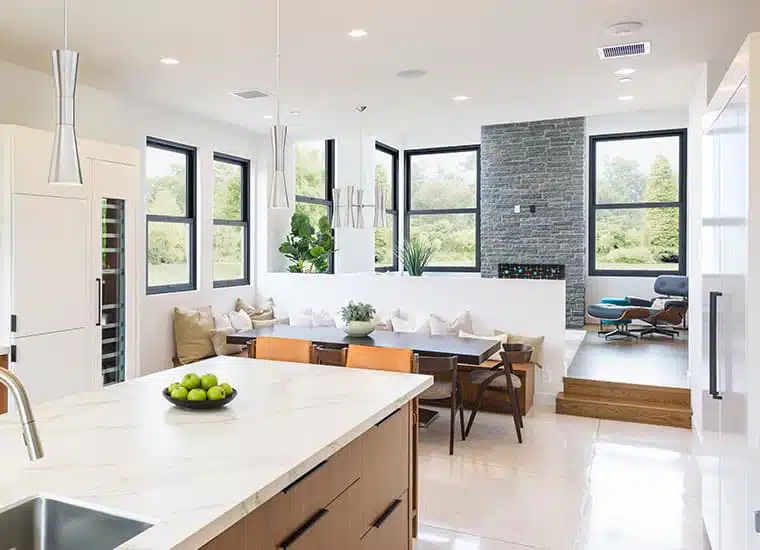
The Best Windows to Buy in 2026: A Quick Answer for Homeowners
Finding the best windows to buy doesn’t have to be overwhelming. Here’s what most homeowners in Northwestern Arizona need to know upfront:
Top window picks for 2026:
| Priority | Best Choice | Why |
|---|---|---|
| Best overall value | Vinyl (double-pane, Low-E, argon) | Low cost, low maintenance, good efficiency |
| Best durability | Fiberglass | Lasts 50+ years, handles heat extremes well |
| Best energy performance | Triple-pane Low-E with argon/krypton gas | Lowest U-factor, best comfort |
| Best all-around product line | Milgard | Certified performance, strong warranty coverage, and options built for Western climates |
| Best for hot desert climates | Vinyl or fiberglass with low SHGC glass | Resists heat gain and thermal expansion |
Windows do more than frame a view. They directly affect how comfortable your home feels, how high your energy bills climb, and how much your home is worth when you sell.
The stakes are real. Energy Star certified windows save the average homeowner about 13% on energy bills. In hot climates like Northwestern Arizona, the right glass package can mean the difference between a cool, comfortable home and one that runs the AC nonstop.
But with dozens of product lines, five frame materials, and countless glass options, the choices can feel paralyzing. The most expensive window isn’t always the best one – and the cheapest option can cost you far more in the long run.
This guide cuts through the noise. We’ll cover what actually matters: frame materials, energy ratings, quality standards, and what to avoid.
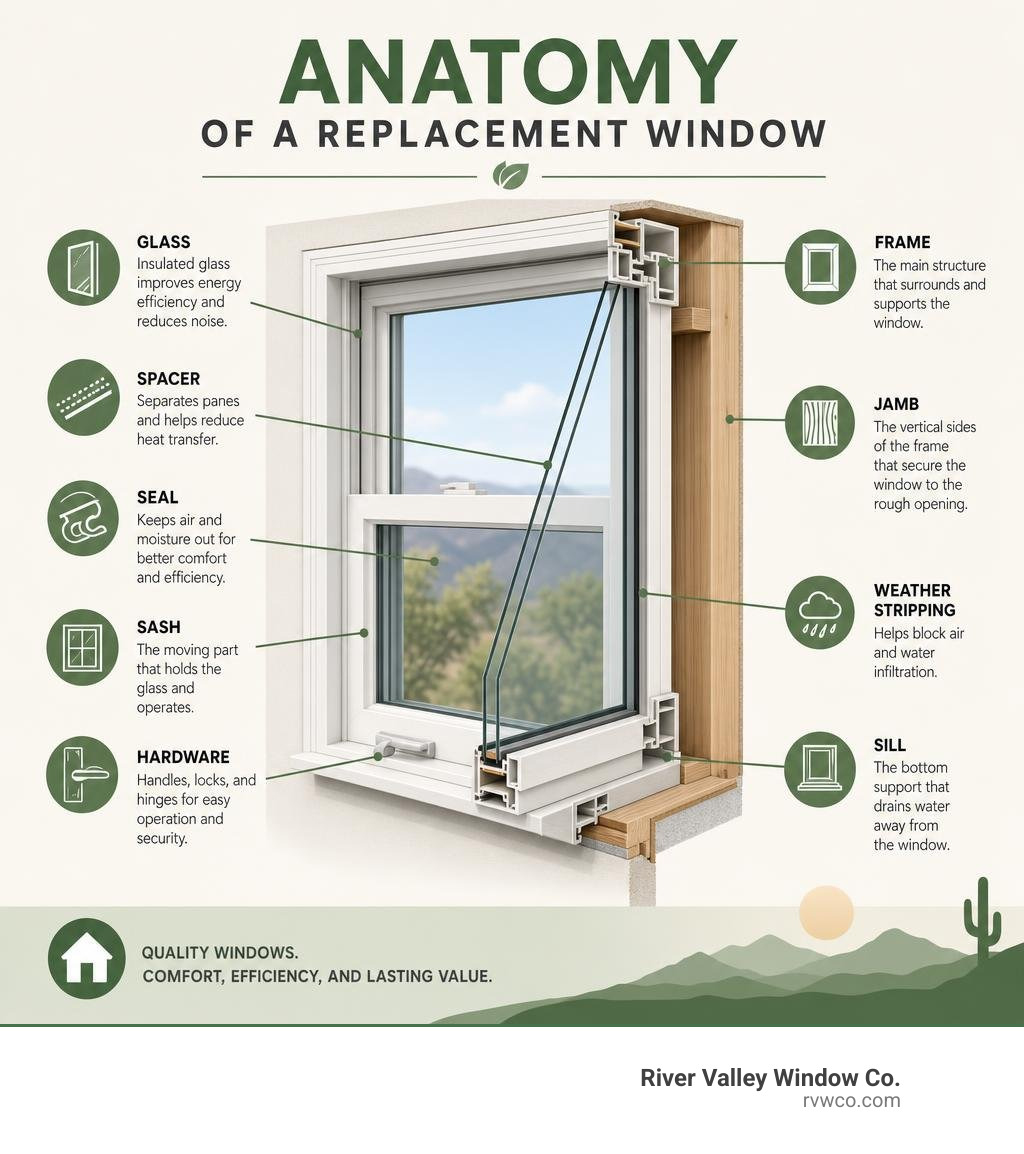
Signs It’s Time for a Window Replacement

Living in Northwestern Arizona, our homes endure some of the most punishing heat in the country. Because of this, windows that were perfectly fine a decade ago might now be costing you hundreds of dollars in wasted utility bills. But how do you know when you actually need a replacement?
Drafts are the most obvious culprit. If you stand near your window on a hot summer afternoon and feel heat radiating through—or if you feel a warm breeze blowing past a closed sash—your seals have failed. Condensation between the glass panes is another major warning sign. When the insulating gas escapes from a double-pane window, moisture gets trapped inside, creating a foggy look that you cannot wipe away.
Over time, this isn’t just an aesthetic issue; it means your window has completely lost its insulating ability. If you notice these issues, it is crucial to understand how to know when you need a window replacement so you can act before further damage occurs. Keep an eye out for these 3 signs it’s time for window replacement to keep your home’s envelope secure.
Which of Your Home Windows Should You Replace?
You do not always have to replace every single window in your home at once. If you are working within a budget, you should prioritize the windows showing the worst structural damage or those facing direct sunlight.
Look closely for sash damage or frame rot. In wood windows, moisture can get trapped and rot the frame, making the window difficult to open or lock. In cheaper vinyl windows, the intense Arizona sun can warp the frame, preventing a tight seal. When deciding on your project scope, carefully evaluate which of your home windows should you replace first to maximize your immediate return on investment.
Window Frame Materials: Durability, Maintenance, and Cost
Choosing the right frame material is the most critical decision you will make. The frame material dictates how long your window will last, how much maintenance it will require, and how well it will perform in the desert heat.
Here is a quick look at how the five primary window frame materials stack up against each other:
| Material | Durability | Maintenance | Relative Cost | Best For |
|---|---|---|---|---|
| Vinyl | High (if high-quality) | Extremely Low | Low to Moderate | Budget-friendly efficiency |
| Fiberglass | Maximum (50+ years) | Extremely Low | Moderate to High | Extreme temperatures & longevity |
| Wood | High (if maintained) | High (painting/staining) | High | Historic or luxury homes |
| Composite | Very High | Low | Moderate to High | Balancing wood looks with low maintenance |
| Aluminum | High | Low | Moderate | Sleek, modern looks (but poor insulation) |
Before making a final choice, we highly recommend exploring these 3 materials to consider for your replacement windows to see how they fit your home’s aesthetic. Learning how to choose the right window material will save you years of maintenance headaches.
Comparing Frame Materials: What Are the Best Windows to Buy?
When searching for the best windows to buy, vinyl and fiberglass consistently lead the pack for modern homeowners.
High-quality vinyl windows are made from rigid, impact-resistant PVC with hollow chambers inside the frame. These chambers trap air, which dramatically reduces heat transfer. They require virtually zero maintenance—no painting, no staining, and no sealing.
If you want the absolute pinnacle of durability, fiberglass windows are the gold standard. Fiberglass is made from glass fibers and resin, meaning it expands and contracts at almost the exact same rate as the glass panes themselves. This prevents seal failure and ensures the window remains airtight for 50 years or more.
If you are looking for a detailed breakdown of how these materials compare in performance, check out our guide on what materials are best for replacement windows.
Materials to Avoid Based on Your Climate
In Northwestern Arizona, our unique climate rules out certain materials. Standard aluminum windows are highly durable and offer beautiful, slim profiles, but they are terrible insulators. Aluminum conducts heat rapidly. In Lake Havasu City, a hot aluminum frame can act like a radiator, transferring the blistering outdoor heat directly into your air-conditioned living room.
Similarly, traditional wood windows require an immense amount of maintenance in dry, hot climates. Without constant painting and sealing, the dry desert air will cause the wood to shrink, crack, and warp, destroying your home’s energy efficiency.
Understanding Energy-Efficiency Ratings and Glass Technology
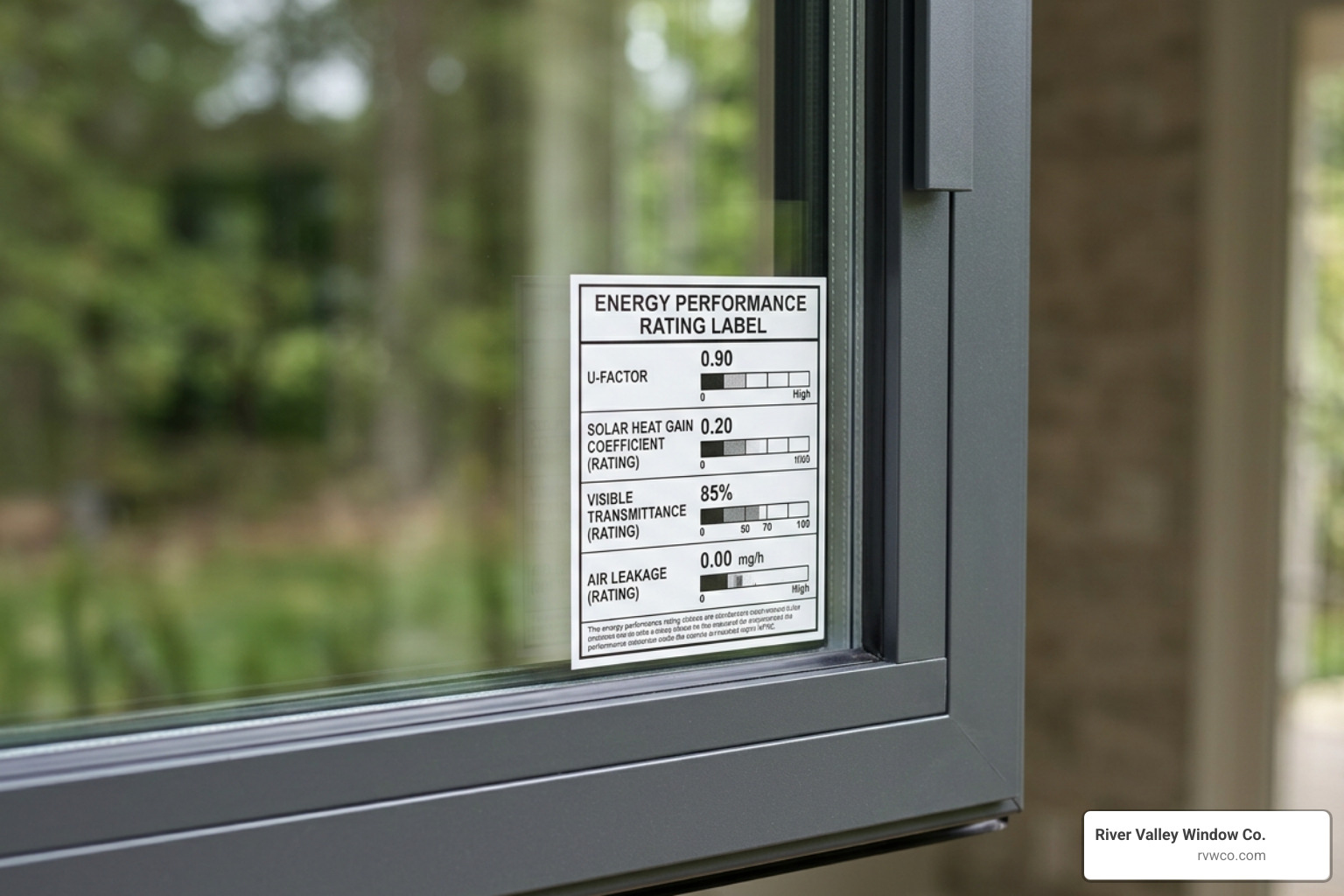
When shopping for windows, you will see a sticker from the National Fenestration Rating Council (NFRC) on every certified product. Understanding these numbers is key to knowing if you are getting a high-performance window.
- U-Factor: This measures how well the window prevents heat from escaping. The lower the number, the better the window is at insulating.
- Solar Heat Gain Coefficient (SHGC): This measures how much solar radiation passes through the window. In hot desert climates, a low SHGC (0.25 or lower) is absolutely crucial to block the sun’s burning rays.
- Low-E (Low-Emissivity) Coatings: This is an microscopically thin, non-toxic metallic oxide layer applied to the glass. It reflects infrared and ultraviolet light while letting visible light pass through.
- Gas Fills: High-quality double and triple-pane windows fill the space between the glass with heavy, slow-moving gases like argon or krypton. These gases insulate far better than regular air.
To make sure you are getting the highest standards of energy performance, look for products that meet the criteria for what are Energy Star windows. Investing in these advanced glass packages is the primary way how energy efficient windows can save you substantial money on your monthly utility bills.
Single vs. Double vs. Triple Pane Glass
Single-pane windows are relics of the past; they offer almost no insulation against the elements. Today, double-pane windows are the industry standard, featuring two layers of glass with an insulating gas fill.
Triple-pane windows add a third layer of glass, creating two separate insulating gas barriers. While triple-pane units offer the absolute lowest U-factors and incredible noise reduction, they are heavier and cost 10% to 15% more than double-pane options. For many homeowners, high-quality double-pane windows with advanced Low-E coatings are more than sufficient. You can learn more about these differences in our article understanding single vs double pane windows for your home.
How to Choose the Best Windows to Buy for Your Climate
A window that performs beautifully in the freezing winters of Maine will not necessarily be the right choice for the scorching heat of Lake Havasu City, Arizona. Your local climate dictates which glass coatings and frame materials will yield the highest return on investment.
When planning your project, read our guide on how to choose the right replacement windows for your needs and take the first step toward getting the perfect windows for your home.
Extreme Heat and Desert Performance
In Northwestern Arizona, our primary battle is with solar heat gain and thermal expansion. When temperatures swing from cool desert nights to 115°F afternoons, window frames expand and contract rapidly.
If you buy cheap, poorly manufactured vinyl, this constant movement will crack the frame’s corner welds and ruin the glass seals within just a few years. To avoid this, look for high-quality vinyl with UV stabilizers or choose fiberglass, which expands and contracts at negligible rates. For an honest look at what to expect from your home’s glass in our region, see how long can you expect windows to last in Arizona.
Top Window Brands of 2026 Compared
When comparing window manufacturers, you want to focus on verified performance, structural integrity, and warranty coverage. According to the comprehensive Best Replacement Windows of 2026: Top Brands Compared, the industry’s leading manufacturers continue to push the boundaries of energy efficiency and durability.
Top-Tier Brands: The Best Windows to Buy in 2026
- Milgard: Renowned for exceptional vinyl and fiberglass product lines, Milgard designs windows specifically built to withstand the intense sun and heat of the Western United States. Their products feature strong thermal performance and are backed by a lifetime warranty. Learn more about why we recommend Milgard windows.
- High-performance vinyl lines: Quality vinyl windows should include fusion-welded frames, insulated chambers, Low-E glass options, and reliable seal technology. These features help reduce heat transfer while keeping maintenance low.
- Premium fiberglass lines: Fiberglass is one of the best choices for long-term durability in hot climates because it resists warping, cracking, and thermal movement better than many lower-grade frame materials.
What to Look For in Quality Window Brands
The best window brands will always carry independent certifications from organizations like the NFRC and AAMA. Look for manufacturers that offer robust lifetime warranties that cover both the frame and the glass seal.
Additionally, top-tier brands offer custom-sizing options down to 1/8-inch increments, ensuring a perfect, airtight fit in your existing rough openings without damaging your home’s exterior stucco or trim.
Window Brands and Types to Avoid
Avoid uncertified, “builder-grade” vinyl windows. These are cheap, mass-produced windows often used in rapid housing developments to cut costs. They typically feature mechanically fastened (screwed) corners rather than fusion-welded corners, which will inevitably sag, leak air, and allow dust to blow into your home.
Furthermore, stay away from brands that do not offer clear, transparent technical specification sheets. High-quality manufacturers proudly publish detailed performance data and sell sheets, so you know exactly what level of insulation you are purchasing.
Frequently Asked Questions About Buying Windows
What is the average cost to replace windows in 2026?
The average national price to replace a single window professionally is around $800, with typical ranges running from $300 to $3,000 depending on the frame material, size, and glass package. Standard vinyl replacements usually cost between $350 and $550 per opening, while premium fiberglass or clad-wood windows can easily exceed $1,000.
While the upfront cost can seem high, high-quality replacements are a great investment; vinyl window replacements typically recoup over 67% of their cost upon home resale. To understand how this impacts your home’s equity, read about what kind of window offers the best ROI.
What time of year is best to replace windows?
Late spring and early fall are popular because the mild weather makes the installation process comfortable. However, winter is often the best time to buy if you want to maximize savings.
During the winter off-season, contractor demand drops, meaning you can often secure lower installation rates, seasonal promotions, and faster project turnaround times.
Are triple-pane windows worth the extra cost?
In extremely cold northern climates, triple-pane windows are highly recommended. However, in Northwestern Arizona, high-quality double-pane windows with a low SHGC rating and argon gas fills are generally the most cost-effective solution.
Triple-pane windows are only worth the extra 10% to 15% cost in our region if you live near a busy highway or airport and require maximum sound dampening.
Conclusion
Replacing your home’s windows is one of the most impactful upgrades you can make to improve your comfort, slash your energy bills, and boost your home’s curb appeal. But in the harsh climate of Northwestern Arizona, you cannot afford to install subpar products or rely on sloppy installation.
At River Valley Window Co., we are proud to serve Lake Havasu City and the surrounding Northwestern Arizona region. We specialize in Milgard’s premium, energy-efficient vinyl and fiberglass products, designed specifically to master the desert heat. Our factory-trained team delivers fast, non-invasive installations backed by an industry-leading lifetime warranty to give you absolute peace of mind.
Ready to transform your home with the best windows to buy? Explore our River Valley Window Co. Services and schedule your free, no-pressure consultation today!