
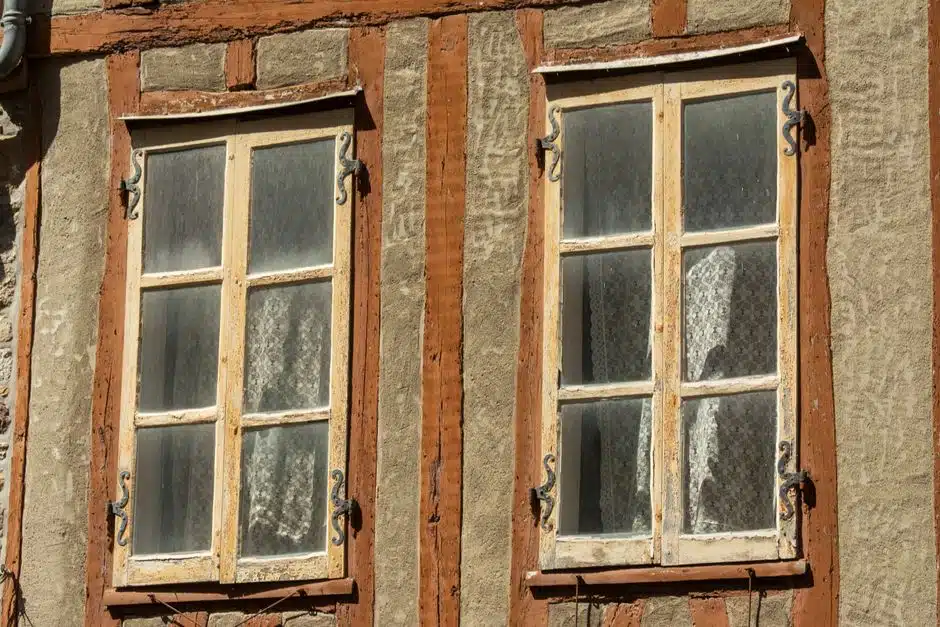
Why Finding the Best Replacement Windows for Old House Projects Is Harder Than It Looks
The best replacement windows for an old house balance three things at once: historic character, modern energy performance, and compliance with any preservation rules that apply to your property.
Quick answer – top window choices for old houses:
| Priority | Best Option |
|---|---|
| Most authentic look | Wood or wood-clad units with traditional profiles |
| Best energy upgrade | Fiberglass or composite with Low-E double glazing |
| Budget-friendly | Vinyl with simulated divided lites |
| Historic district approved | Custom wood sash with true divided lites |
| Least invasive install | Insert (pocket) replacement in existing frames |
Old houses have a lot going for them – solid craftsmanship, unique profiles, and a curb appeal that new construction rarely matches. But the original windows? They’re often a different story.
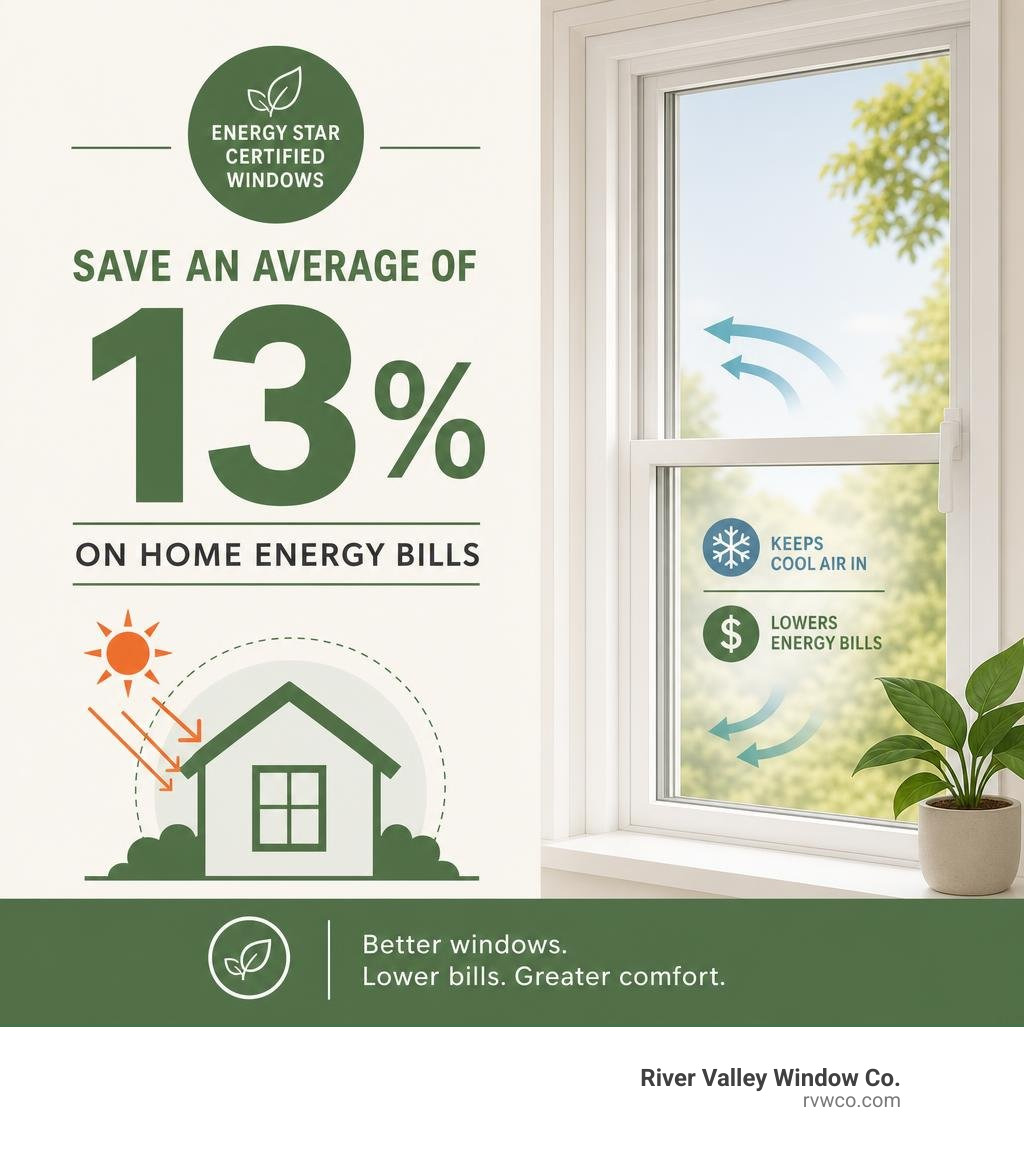
Single-pane glass, dried-out glazing putty, and wood sash swollen from decades of Arizona heat and monsoon humidity make for drafty, inefficient windows. In the EPA’s Northern Zone alone, replacing 10 old single-pane windows with Energy Star models can save around $568 per year in heating and cooling costs – and that kind of savings matters even more in a climate as extreme as Northwestern Arizona’s.
The challenge is that replacing windows in an old house isn’t as simple as picking a size and ordering a box. Get the proportions wrong, choose the wrong frame material, or ignore local historic district rules, and you can strip the character right out of a house that took a century to earn it.
This guide walks you through every decision – from materials and installation methods to preservation regulations and energy certifications – so you can upgrade your home’s comfort without losing what makes it worth preserving.
Restore vs. Replace: The Historic Window Dilemma
For many vintage home lovers, the first big question isn’t which window to buy, but whether to buy new ones at all. The debate between restoring original wood windows and replacing them entirely is deeply rooted in preservation philosophy.
On one hand, original windows are built from old-growth timber, which is far denser and more rot-resistant than modern wood. When properly repaired, re-hung, and fitted with high-quality weatherstripping and interior or exterior storm windows, historic single-pane sashes can block drafts and perform surprisingly well.
However, restoration is a labor-intensive art form. Finding specialized artisans who can scrape lead paint, repair wood rot, replace broken sash cords, and reputty individual panes is difficult and expensive. Furthermore, even a perfectly restored single-pane window cannot match the thermal insulation, UV protection, and sound dampening of modern double- or triple-pane glass.
So, how do you decide? We always recommend evaluating the physical condition of your current windows. If your sashes suffer from extensive wood rot, structural shifting, or frames that are warped beyond repair, restoration is no longer a viable option. Knowing how to know when you need a window replacement is the first step toward securing your home’s structural integrity.
Keep an eye out for these 3 signs it’s time for window replacement:
- Visible Wood Decay: Soft, crumbling wood along the sash or sill that cannot hold paint or putty.
- Inoperable Sashes: Windows that are painted shut, swollen stuck, or have broken internal balance systems that make opening them a safety hazard.
- Condensation and Severe Drafts: Constant drafts that make your rooms uncomfortable, or moisture trapped between storm panels that indicates a failure in the window’s seal.
When restoration is off the table, the goal shifts to finding replacement units that respect the original design. As highlighted in the guide on Durable and Attractive Replacement Windows For Old Houses – Fine Homebuilding, modern manufacturers have become far more sensitive to historic styling, making it easier to find replacement windows that blend seamlessly with vintage architecture.

Choosing the Best Replacement Windows for Old House Projects
Selecting the right frame material is crucial when choosing the best replacement windows for old house renovations. The material dictates not only how authentic the window looks but also how it handles the brutal desert sun of Lake Havasu City and the surrounding Northwestern Arizona region.
Here is how the four primary window frame materials compare for historic and vintage homes:
| Frame Material | Historic Authenticity | Durability & Weather Resistance | Maintenance Required | Relative Cost |
|---|---|---|---|---|
| Wood | Outstanding | Moderate (susceptible to dry rot/sun damage) | High (regular painting/staining) | High |
| Fiberglass | Excellent | Exceptional (does not expand/contract) | Very Low | High |
| Composite | Very Good | High | Low | High |
| Vinyl | Good | High (with modern UV inhibitors) | Very Low | Low to Moderate |
To dive deeper into these choices, you can explore these 3 materials to consider for your replacement windows to see how they impact long-term performance, or read our comprehensive guide on what materials are best for replacement windows.
Material Matters: Finding the Best Replacement Windows for Old House Frames
Let’s break down how these materials behave in real-world conditions, particularly in our hot Arizona climate:
- Wood Frames: For absolute historic purity, nothing beats real wood. It provides the deep shadow lines, authentic profiles, and paintable surfaces that preservation review boards love. However, in Northwestern Arizona, wood requires constant vigilance. The intense UV radiation and extreme heat can dry out wood quickly, leading to warping, cracking, and paint failure if not regularly maintained.
- Fiberglass Strength: Fiberglass is an incredible option for old houses. It is exceptionally strong, meaning the frames can be made thinner to mimic the slim profiles of historic wood sashes. It also has a very low expansion and contraction rate—matching that of the glass itself—which prevents seal failure and drafts even when the temperature swings from desert chilly to triple digits.
- Composite Performance: Composite materials, such as blends of wood fibers and polymers, offer the best of both worlds. They provide the texture and paintability of real wood but resist rot, decay, and moisture damage. They are highly stable and require very little maintenance over their lifespan.
- Vinyl Affordability: Modern vinyl has come a long way. While early vinyl windows had thick, bulky frames that looked out of place on vintage homes, today’s high-quality vinyl windows feature sleeker profiles and realistic wood-grain finishes. They are highly energy-efficient, incredibly low-maintenance, and the most budget-friendly option.
When deciding, we advise homeowners to learn how to choose the right replacement windows for your needs. Understanding how different materials handle extreme heat and intense UV exposure is essential to ensure your frames won’t warp under the intense summer sun.
Installation Methods: Insert vs. Full-Frame Replacement
Once you select your material, you must choose how the windows will be installed. This is a critical decision for old houses, as it directly impacts your historic interior trim and exterior siding.
There are two primary installation methods:
- Insert (Pocket) Installation: In an insert installation, the new window unit is slid directly into the existing wood window frame. The original interior casing, exterior trim, and brickmould remain completely untouched. This is the least invasive and most cost-effective method. However, it can only be used if the original frame is structurally sound, square, and free of rot. The main drawback is that it slightly reduces the overall glass area (the “daylight opening”) because you are placing a frame within a frame.
- Full-Frame Replacement: This method involves stripping away the entire window, including the old sash, frame, sill, and often the interior and exterior trim. It is necessary if there is water damage, rot, or if the home has experienced structural shifting that has thrown the original opening out of square. Full-frame replacement allows you to maximize the glass area and ensure proper flashing and insulation around the opening, but it is more labor-intensive and requires replacing or repairing your historic trim.
Before making your choice, review what you need to know before getting new windows to prepare your home and budget for the process.
Preserving Architectural Integrity: Proportions, Muntins, and Regulations
If your home is located within a designated historic district, your window replacement project will likely need approval from a local historic preservation commission or review panel. These boards typically base their decisions on the Secretary of the Interior’s Standards for Rehabilitation, which prioritize preserving the historic features of a building.
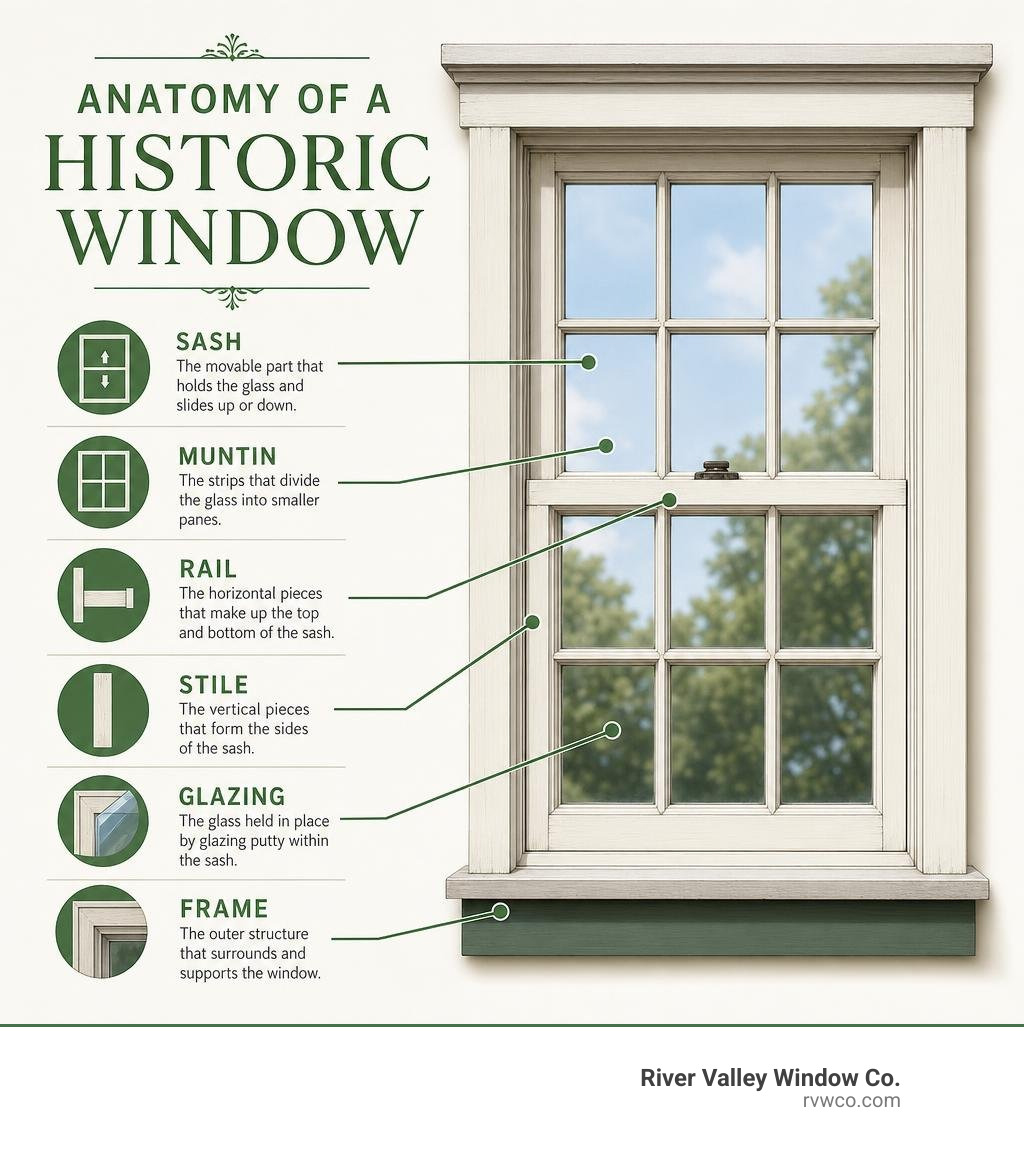
The most scrutinized aspect of replacement windows is the grid pattern, or muntins, which divide the glass into smaller panes (lights).
Original historic windows feature True Divided Lites (TDL), where individual panes of glass are physically separated by wood muntins. While highly authentic, TDL windows are less energy-efficient because every joint is a potential source of air filtration.
To solve this, modern manufacturers offer Simulated Divided Lites (SDL). SDLs use a single piece of double-paned insulating glass with grid bars permanently bonded to the interior and exterior of the glass, often with a spacer bar between the panes to mimic the depth and shadow lines of true muntins. Many historic boards now accept high-quality SDLs because they replicate the historic look while offering modern thermal performance.
When comparing historic-style replacement windows, ask for close-up profile samples, muntin dimensions, exterior color options, and glass specifications before placing an order. The best choice is usually the unit that most closely matches the original sight lines while still meeting modern performance needs.
Matching Historic Proportions and Grid Patterns
To maintain your home’s curb appeal, the new windows must match the original proportions of the house. This includes the sash thickness – turn-of-the-century windows typically featured sashes between 1-11/16″ and 1-3/4″ thick – and the height of the bottom rail, which was historically taller than the top and side rails.
Modern CAD technology has made custom-sized historic reproductions an industry standard, allowing manufacturers to replicate exact profiles and grid patterns. For the best result, compare proposed drawings against your existing window measurements, original photos if available, and any local preservation requirements before approving the final design.
Maximizing Energy Efficiency in Vintage Homes
One of the greatest benefits of replacing old windows is the dramatic drop in your monthly energy bills. Old, drafty single-pane windows act like thermal holes in your walls, allowing precious air conditioning to escape while letting outdoor heat radiate inside.
Modern replacement windows utilize double or triple glazing (two or three panes of glass) with a sealed space in between. This space is filled with an insulating gas, usually argon, which reduces heat transfer by about 20% compared to standard air.
Additionally, microscopically thin Low-E (low-emissivity) coatings are applied to the glass surfaces. In hot climates like Northwestern Arizona, Low-E coatings are designed to reflect infrared light (heat) away from your home while letting visible light pass through, keeping your interiors cool and protecting your vintage furniture from UV fading.
To understand how these technologies work together to lower your utility costs, check out how new windows and doors can help you save on your energy bills, and read about how energy efficient windows can save you substantial money over time.
Performance Upgrades: The Best Replacement Windows for Old House Energy Savings
When shopping for energy-efficient windows, always look for the National Fenestration Rating Council (NFRC) label. This label provides objective performance ratings:
- U-Factor: Measures how well the window prevents heat from escaping. Lower numbers mean better insulation.
- Solar Heat Gain Coefficient (SHGC): Measures how much solar radiation passes through the window. In Lake Havasu City and the surrounding desert, a low SHGC (typically below 0.25) is critical to blocking the sun’s intense heat.
- Visible Transmittance (VT): Measures how much daylight comes through.
For maximum performance, some high-end historical replacements utilize Vacuum Insulated Glass (VIG). VIG units are incredibly thin (often only 8mm) because the air between the panes is completely evacuated to create a vacuum. This allows them to fit into existing narrow historic sashes while delivering the thermal performance of a much thicker triple-pane unit.
Frequently Asked Questions About Historic Window Replacement
How much does it cost to replace windows in an old house?
The average national price to professionally replace a single window is around $800, with costs generally ranging from $300 to $3,000 per window depending on the size, frame material, and glass options.
For an older home, expect costs to lean toward the higher end of the spectrum. Custom sizing is almost always required because historic window openings rarely match modern, off-the-shelf standard dimensions. Furthermore, labor rates may be higher due to the care needed to preserve historic trim and handle older wall structures.
To help plan your project, read our guide on how to budget for window replacement for your home.
Do replacement windows ruin the historic value of a home?
Not if they are selected and installed with care! While poorly matched, cheap replacement windows can hurt a home’s curb appeal and historic value, high-quality replacements that respect the original proportions actually enhance the home’s resale value.
In fact, national estimates show that homeowners recoup about 67% of a vinyl window replacement job’s cost in the selling price of their home. Upgrading your windows improves comfort, lowers energy bills, and eliminates maintenance headaches for the next owner.
If you are planning to sell, consider these 4 reasons to replace your windows before selling your home and learn which of your home windows should you replace to maximize your return on investment.
How do I find a contractor experienced with historic homes?
Working on an older home requires specialized skills. If your home was built before 1978, it is highly likely to contain lead-based paint, meaning you must hire a contractor with EPA Lead-Safe Certification to ensure the dust is handled safely.
When researching local installation options, look for contractors who have a proven portfolio of working on older homes. Be sure to ask for references, read local reviews, and verify that they have extensive experience dealing with the unique structural challenges of vintage properties in Northwestern Arizona.
Conclusion
Preserving the vintage charm of your home while upgrading its comfort doesn’t have to be a stressful balancing act. At River Valley Window Co., we specialize in helping homeowners in Northwestern Arizona—including Lake Havasu City and the surrounding areas—find the perfect match for their properties.
We proudly offer high-quality, energy-efficient Milgard products designed to withstand the intense desert heat while maintaining clean, classic sightlines. With our fast, non-invasive installation process and an industry-leading lifetime warranty, you can enjoy beautiful new views and lower energy bills without the hassle.
Ready to give your vintage home the upgrade it deserves? Explore our professional window replacement services today and schedule your consultation!