

Why Finding Low Cost Windows for a House Is Harder Than It Looks
Finding low cost windows for your house sounds simple — until you start getting quotes.
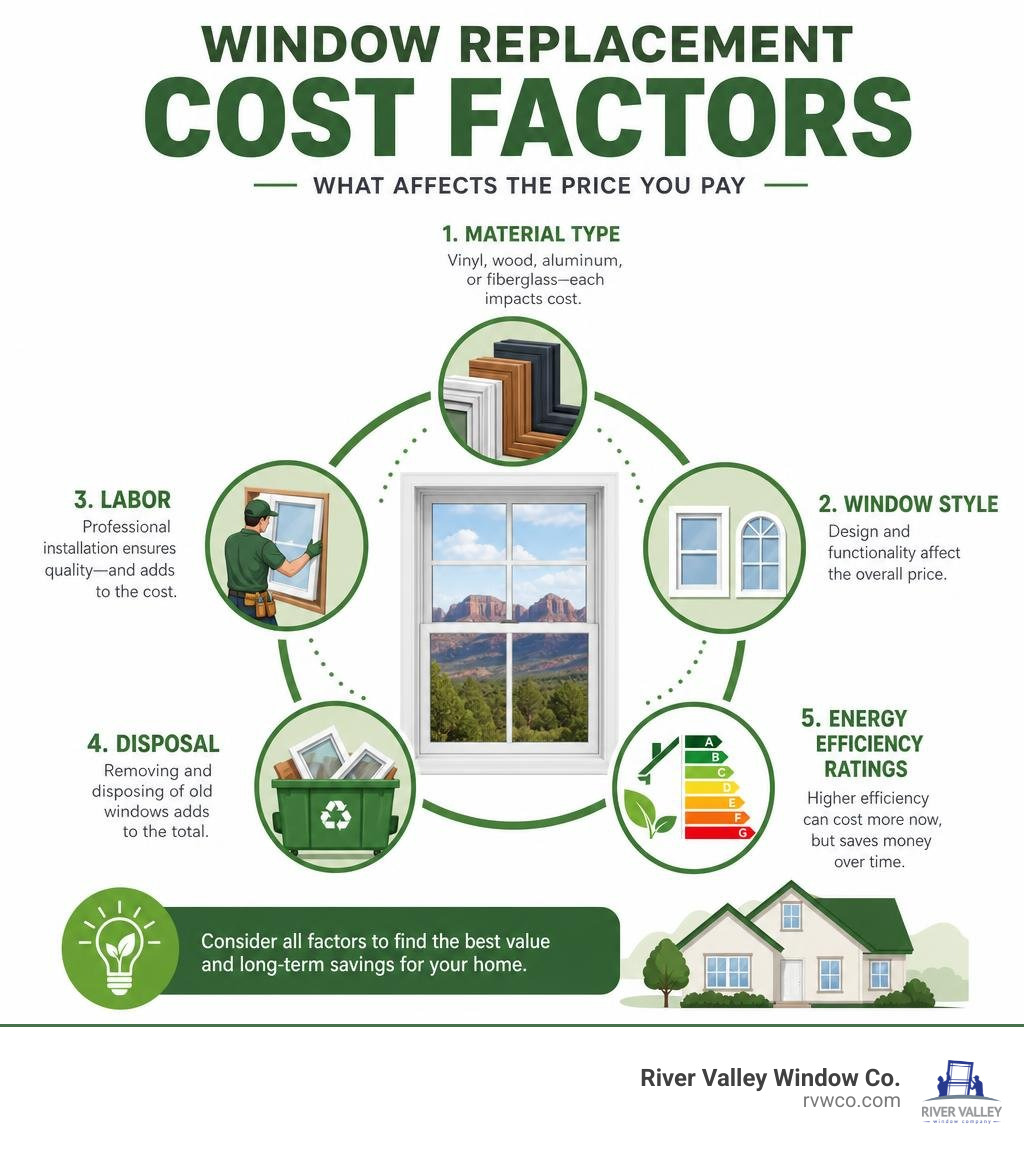
Prices vary wildly. A basic vinyl replacement window can cost as little as $125 at retail. But once you add professional installation, disposal of old windows, and any trim repairs, that same window can run $385 or more per unit. Replace a whole house worth of windows and you’re looking at anywhere from $10,000 to $100,000 depending on size, material, and quality.
For homeowners in Northwestern Arizona — where summer heat is relentless — the stakes are even higher. Choosing the wrong window to save money upfront can mean higher energy bills for years.
Here’s a quick look at the most affordable window options to help you get oriented:
| Window Type | Starting Price (Unit Only) | Best For |
|---|---|---|
| Vinyl sliding window | ~$125 | Budget replacements, wide openings |
| Vinyl basement hopper | ~$140 | Small openings, basements |
| Vinyl single-hung | ~$198 | Bedrooms, standard openings |
| Vinyl double-hung | ~$198+ | Ventilation, easy cleaning |
| Aluminum single-hung | Low-mid range | Noise reduction, modern look |
| Fiberglass window | $2,000–$5,000 installed | Extreme durability, long-term value |
Note: Unit prices are materials only. Professional installation typically adds $200 or more per window.
The good news? You don’t have to choose between cheap and quality. The right window material, style, and brand can give you solid energy performance without blowing your budget. This guide breaks it all down.
Basic low cost windows for house glossary:
Choosing the Best Low Cost Windows for House Upgrades
When you begin searching for the perfect replacement windows, your first major decision revolves around frame materials. The frame material directly affects the initial purchase price, thermal performance, ongoing maintenance, and how many years the window will last under the intense desert sun of Northwestern Arizona.
To help you weigh your options, we must look at how the three primary budget-friendly and mid-range materials stack up against each other. Making an informed choice here is the first step in learning how to choose the right window material for your specific home layout and budget.
| Frame Material | Relative Cost | Durability in Hot Climates | Maintenance Required |
|---|---|---|---|
| Vinyl | Low | Moderate to High (with UV inhibitors) | Extremely Low |
| Aluminum | Low to Moderate | High | Low |
| Fiberglass | Moderate to High | Extremely High | Low to Moderate (paintable) |
Each of these materials has distinct physical properties. Let’s dive deeper into how they perform in real-world scenarios so you can make the smartest investment.
Vinyl: The Ultimate Low Cost Windows for House Projects
If your primary goal is finding the absolute lowest upfront cost without sacrificing essential thermal insulation, vinyl is the undisputed heavyweight champion.
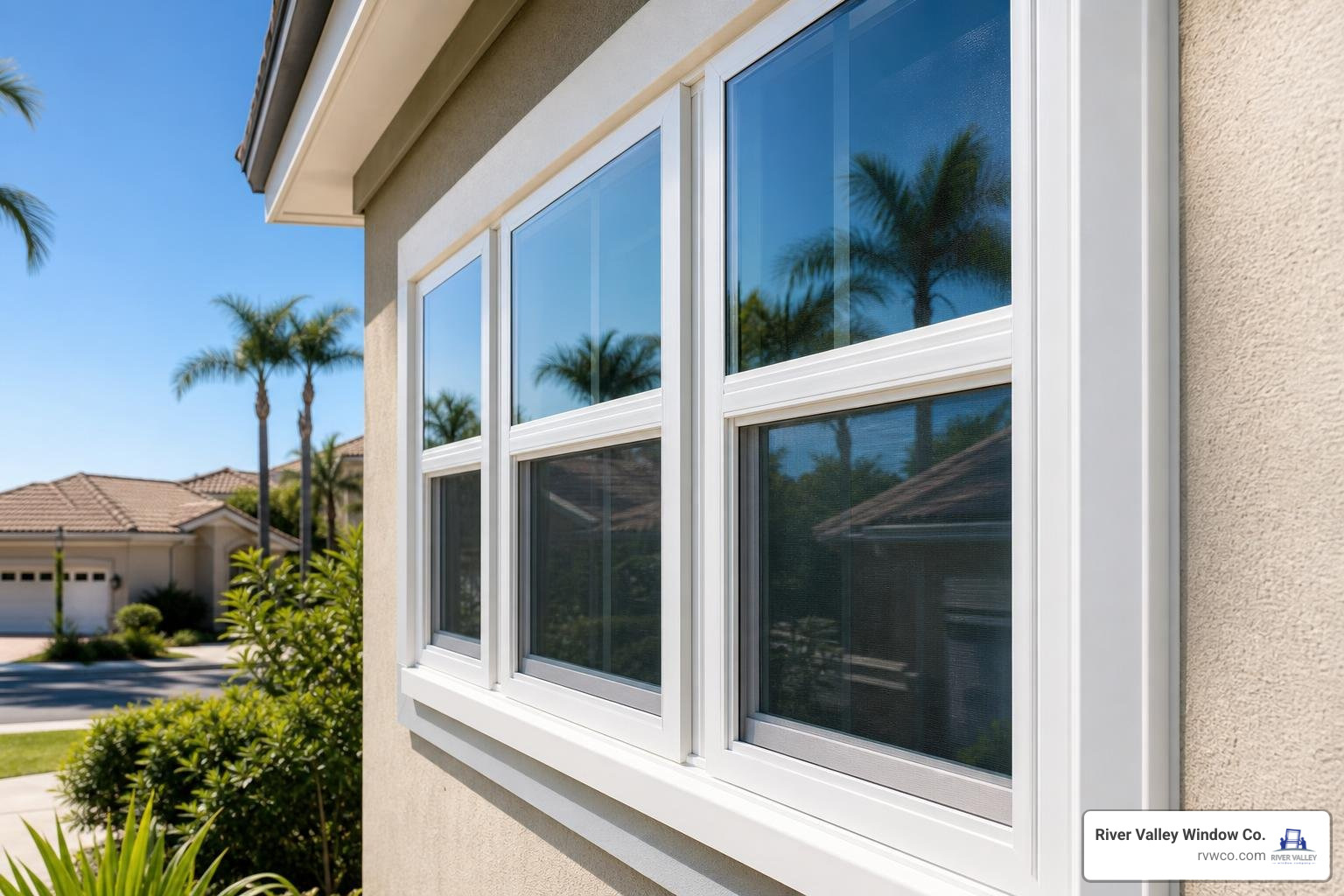
Modern, high-quality vinyl windows are constructed from polyvinyl chloride (PVC) infused with special stabilizers and UV inhibitors. These additives are absolutely vital in places like Lake Havasu City, where the summer sun can degrade cheap plastics.
Vinyl frames are highly affordable because the manufacturing process is incredibly efficient. Additionally, they are designed with multi-chambered profiles. These hollow chambers trap air, acting as highly effective thermal barriers that prevent the blazing Arizona heat from migrating into your air-conditioned living room.
It is no surprise that homeowners consistently find why vinyl windows are the top choice for low maintenance homes. They never require painting, scraping, or sanding. To keep them looking brand new, all you need is an occasional rinse with a garden hose and a quick wipe down with soapy water.
Aluminum and Fiberglass: Durable Alternatives
While vinyl is the most common budget choice, it is not your only option. Depending on your home’s architectural style and your long-term performance goals, aluminum or fiberglass may provide a better return on your investment.
Aluminum windows are highly prized for their exceptional structural strength and sleek, narrow profiles. Because aluminum is incredibly rigid, these frames can support massive panes of glass without needing bulky framing. This makes them a favorite for contemporary and modern architectural designs.
Historically, aluminum was criticized for its poor insulation properties because metal conducts heat rapidly. However, modern aluminum windows designed for residential use feature advanced thermal breaks—insulated barriers placed inside the frame that block heat transfer. They are also highly effective at reducing outside noise, making them excellent if you live near busy roads.
On the other hand, fiberglass windows represent the absolute pinnacle of durability. Fiberglass is composed of glass fibers and polyester resins, meaning the frame expands and contracts at virtually the exact same rate as the glass pane itself. This identical thermal expansion rate puts zero stress on the window seals, virtually eliminating the risk of seal failure and subsequent draftiness.
While fiberglass carries a higher initial price tag—often ranging from $2,000 to $5,000 per window fully installed—its near-indestructible nature means you will likely never have to replace them again. This makes them an incredibly cost-effective option when evaluated over a 30-to-40-year period.
Understanding the Real Cost of Window Replacement
When planning a home improvement project, it is easy to fall into the trap of only budgeting for the retail cost of the window units themselves. In reality, the physical window is only one part of the financial equation.

To avoid unpleasant surprises, you must understand how professional labor, disposal, and structural preparation affect your bottom line. Learning how to budget for window replacement for your home requires looking at the total cost of installation, which often includes:
- Labor Costs: Professional installation typically runs between $200 and $400 per window, depending on the complexity of the opening and whether the home has multiple stories.
- Debris Disposal: Safely removing, hauling away, and disposing of your old, heavy glass and frames usually adds a modest fee per unit.
- Trim and Siding Repairs: If your existing window frames have suffered from wood rot or water damage, installers must repair the surrounding wall structure before putting the new windows in place.
- Installation Essentials: High-quality silicone caulk, expanding foam insulation, shims, and flashing tape are critical to preventing air leaks and water intrusion. While cheap on their own, using premium materials ensures the window performs efficiently for decades.
How Style Choices Impact Low Cost Windows for House Budgets
The physical design and operation of your windows play a massive role in final pricing. Generally speaking, the more moving parts a window has, the more expensive it will be to manufacture and purchase.
- Single-Hung Windows: These feature a fixed top sash and an operable bottom sash that slides vertically. Because only one half of the window moves, they have fewer mechanical parts, making them highly budget-friendly.
- Double-Hung Windows: Both sashes slide vertically and usually tilt inward for easy cleaning. While highly convenient, they typically cost more than single-hung options.
- Sliding Windows: These operate horizontally along a track. They are incredibly simple, highly reliable, and represent some of the most affordable options on the market, with basic vinyl replacement sliders starting at very accessible price points.
- Casement Windows: These swing outward like a door using a hand crank. They offer exceptional ventilation and a tight seal when closed, but the complex crank mechanism makes them more expensive.
When deciding between these styles, it is also crucial to think about the glass package itself. Taking the time to research and understanding single vs double pane windows for your home will help you find the sweet spot between low initial cost and long-term utility savings. In Northwestern Arizona, double-pane windows are an absolute necessity to block the intense summer heat.
New Construction vs. Replacement Windows
Another major factor that dictates your project’s total cost is whether you use new-construction windows or replacement (insert) windows.
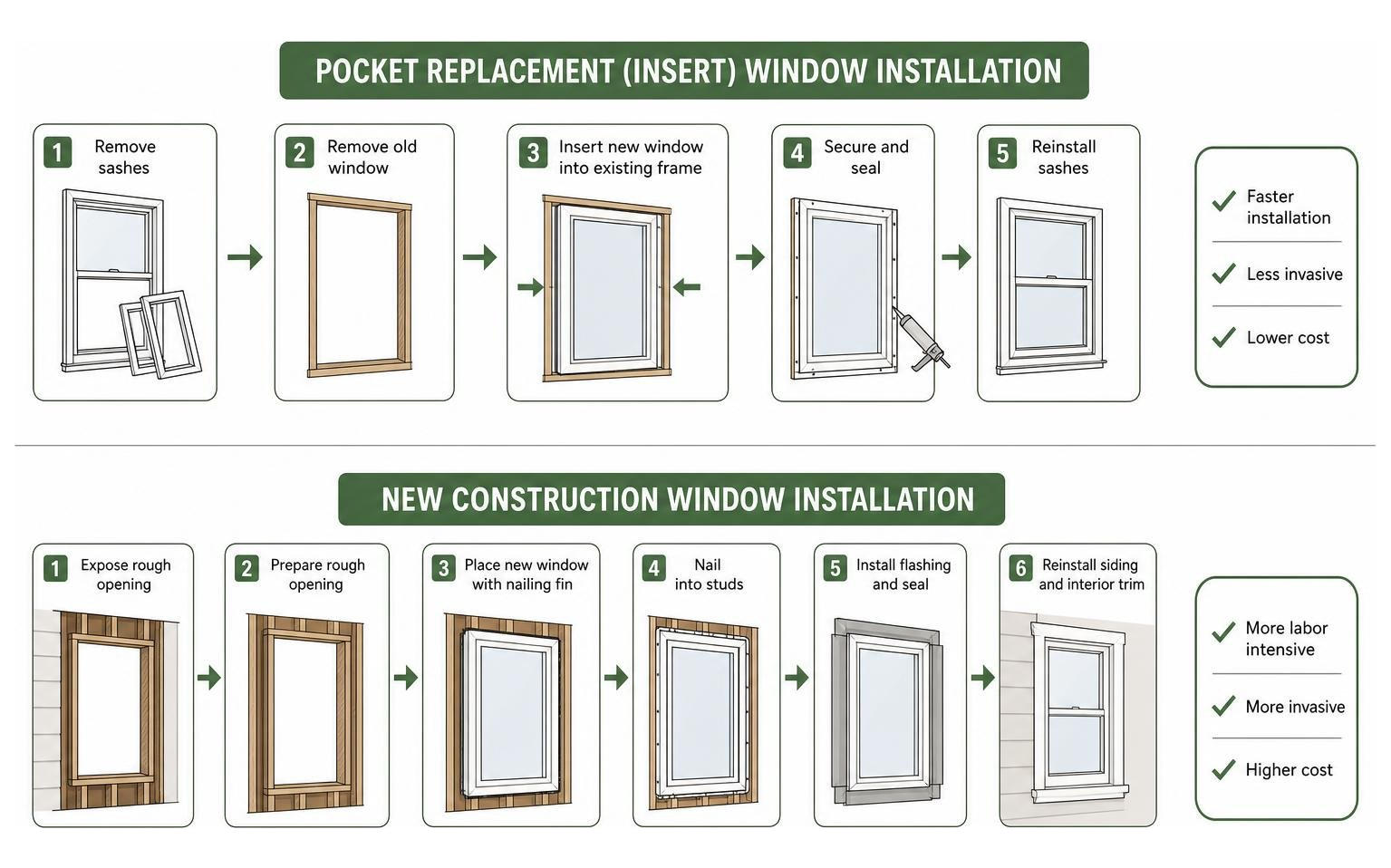
New-construction windows feature an integrated nailing fin (or flange) around the outer edge of the frame. This fin is designed to be nailed directly into the exposed wooden studs of a home’s framing. This method is ideal for brand-new home builds or extensive remodels where the exterior siding and interior drywall are already stripped away.
Replacement windows, often called “pocket” or “insert” windows, are engineered to slide directly into the existing wooden or aluminum frame of your old window. Because the installer does not have to tear off your exterior siding or disturb your interior trim, pocket installations are much faster, less invasive, and significantly cheaper.
If you want a straightforward, stress-free upgrade, reading through a painless guide to the best way to replace windows will show you why pocket replacements are usually the preferred choice for budget-conscious homeowners.
Balancing Upfront Savings with Long-Term Energy Efficiency
When shopping for low cost windows for a house, it is incredibly easy to focus solely on the price tag. However, cheap windows that leak air will cost you a fortune in cooling bills, especially during our scorching Arizona summers.
Investing slightly more upfront in energy-efficient glass features will yield a massive return on investment. Over time, the reduction in your monthly utility bills will completely offset the initial purchase price. To understand the math behind these long-term savings, consider how energy efficient windows can save you substantial money by reducing the load on your air conditioning system.
Energy Star Ratings and Glass Technologies
To ensure your budget-friendly windows actually perform well in the desert heat, you must look for specific energy ratings and glass technologies. Knowing what are energy star windows and how to read their performance labels is essential:
- Low-E (Low-Emissivity) Glass: This is an microscopically thin, metallic coating applied to the glass. It reflects infrared heat (which warms up your home) and harmful UV rays (which fade your furniture) while still allowing natural light to pass through.
- Argon Gas Fill: Instead of regular air, the space between double-pane windows is filled with argon, an odorless, non-toxic gas that is much denser than air. This dense gas acts as a highly effective thermal cushion, slowing down heat transfer.
- U-Factor: This measures how well the window prevents heat from escaping. The lower the U-factor, the better insulated the window is.
- Solar Heat Gain Coefficient (SHGC): This measures how much solar radiation passes through the window. In Northwestern Arizona, a low SHGC (ideally under 0.25) is critical to keeping the sun’s burning rays outside where they belong.
Milgard Product Lines and Warranty Value
At River Valley Window Co., we specialize in Milgard products because they offer the perfect balance of competitive pricing, high-end energy efficiency, and unmatched warranty protection. By focusing on Milgard, we help our clients avoid low-quality builder-grade windows that warp and fail within a few years.
Milgard’s premier vinyl lines are perfect for budget-conscious homeowners:
- Tuscany® Series (V400 & V450): These premium vinyl windows offer a traditional wood-profile look with outstanding thermal performance. They are engineered to withstand extreme heat without cracking or warping.
- Trinsic™ Series (V300): If you prefer a modern aesthetic, the Trinsic series features an extremely narrow frame profile, maximizing your viewing area and allowing clean, contemporary lines.
What truly sets Milgard windows apart is their tiered warranty structure, which provides incredible peace of mind:
- Standard Limited Lifetime Warranty: This warranty varies depending on whether your project is new construction or replacement, as well as the occupancy of the building. If you sell your home, the warranty can be transferred to the new owner, converting into a 10-year parts-only limited warranty calculated from the original manufacture date. It includes 10-year hardware coverage alongside specific limitations on finishes and weatherstripping.
- Full Lifetime Warranty Upgrade: This paid upgrade is valid for the natural lifetime of the original consumer purchaser and is non-transferable. It covers both parts and labor. Crucially, it includes glass breakage coverage automatically for the Tuscany V400 and V450 series, while the Trinsic V300 series requires glass breakage to be added as an additional upgrade.
- Shorter Coverage Limits: Certain components carry shorter limits under both warranties. There is a 10-year limit on insulated glass unit delamination, internal blind defects, and peeling or fading frame finishes. A 1-year limit applies to weatherstripping, screens, and any corrosion on stainless steel hardware.
Frequently Asked Questions About Affordable Windows
What is the average cost to replace all windows in a house?
For an average-sized home requiring 10 to 12 windows, a complete replacement project typically ranges between $10,000 and $20,000 for high-quality, energy-efficient vinyl windows installed by professionals. If you choose premium materials like fiberglass, or if your home requires extensive structural modifications, the total cost can rise.
How can I reduce the overall cost of window replacement?
To keep your costs as low as possible, we recommend opting for pocket (insert) installations instead of full-frame replacements whenever your existing window frames are structurally sound. Additionally, choosing standard window sizes and popular styles like sliding or single-hung windows keeps manufacturing costs down. You can also take advantage of flexible financing options or look out for seasonal promotions to break the cost down into manageable monthly payments.
How long do budget-friendly vinyl windows last?
High-quality vinyl windows from reputable manufacturers like Milgard are engineered to last between 20 and 30 years. However, the extreme UV exposure in Northwestern Arizona can degrade cheap, low-grade vinyl rapidly. To ensure your investment stands the test of time, read our guide on how long can you expect windows to last in Arizona and make sure to choose products with robust UV stabilizers.
Conclusion
Finding low cost windows for your house does not mean you have to settle for cheap, drafty products that will fail in a few summers. By choosing high-quality vinyl or aluminum frames, opting for pocket installations, and investing in smart energy-efficient glass packages, you can transform your home’s comfort and curb appeal without breaking the bank.
At River Valley Window Co., we are proud to serve Lake Havasu City and the surrounding Northwestern Arizona region. Our expert team specializes in fast, non-invasive installations of top-tier Milgard products, backed by industry-leading warranties. We make the entire process simple, transparent, and highly affordable.
Ready to upgrade your home with beautiful, energy-efficient windows? Get started with professional window services from River Valley Window Co. today and request your free consultation!