

Find the Right Local Window Glass Replacement Service
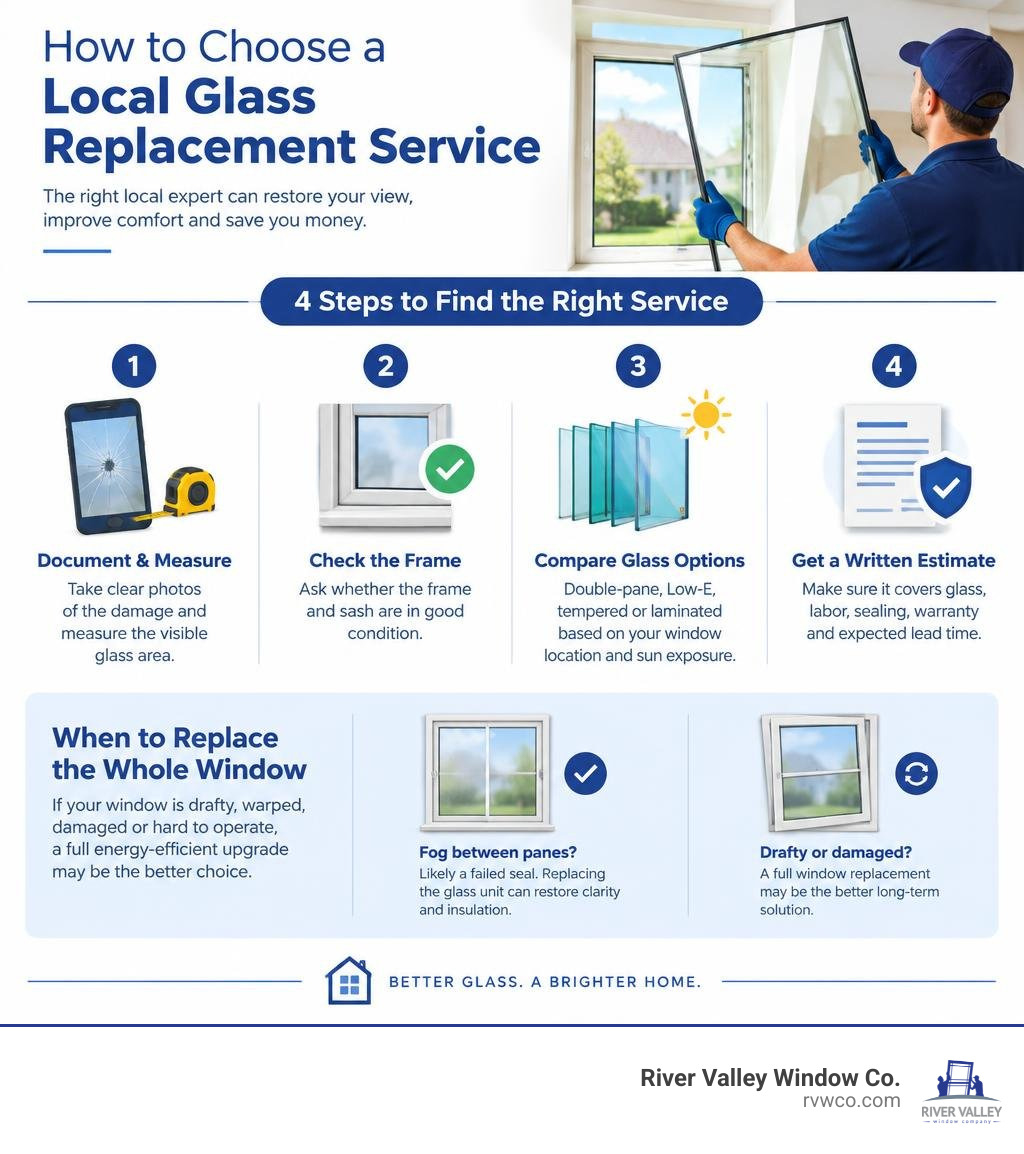
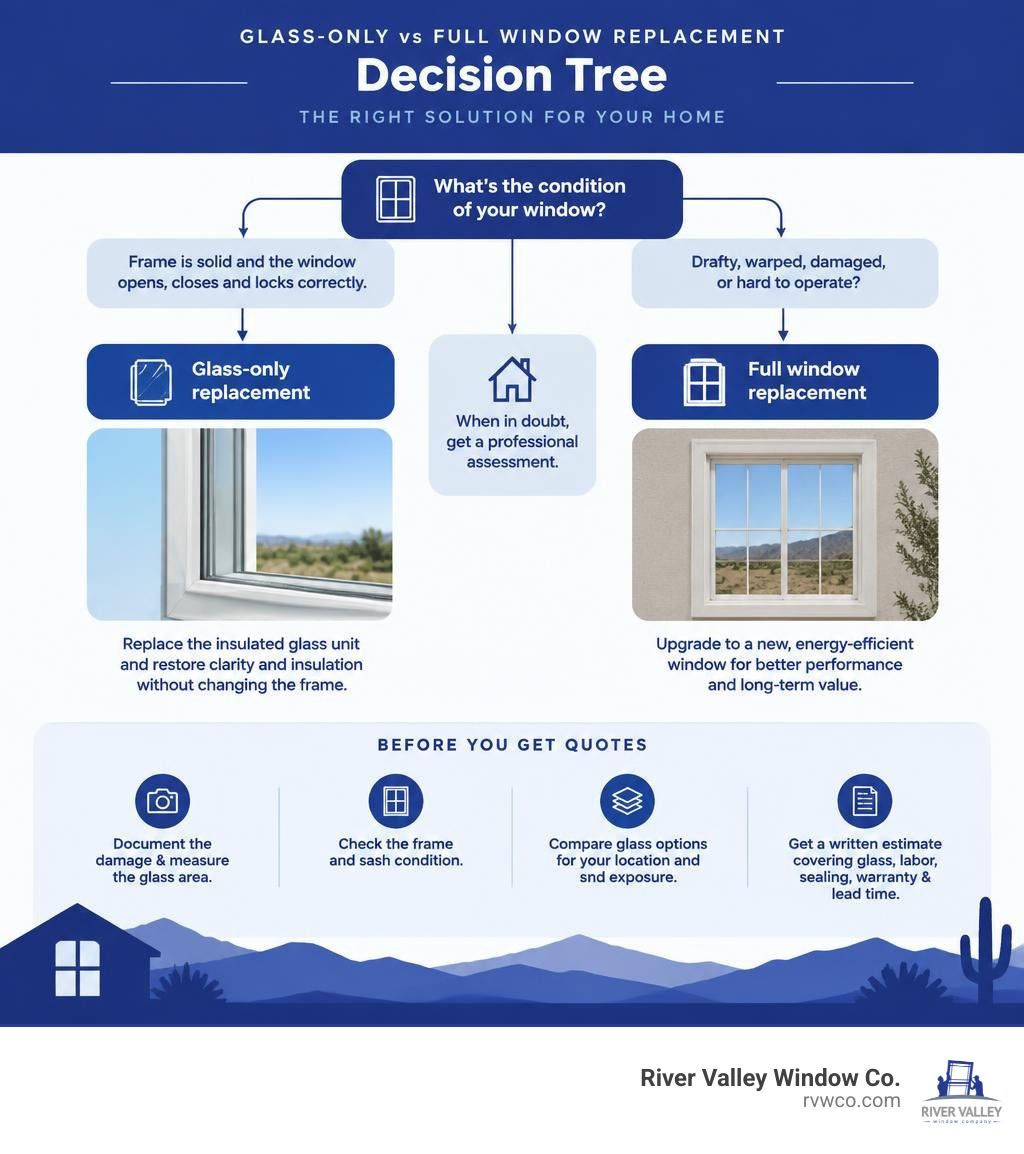
For homeowners searching for glass replace near me, start by confirming whether you need new glass or a full window replacement. If the frame is solid and the window still opens, closes, and locks correctly, a local glass professional may be able to replace only the broken or foggy insulated glass unit. This can restore clarity and insulation without replacing the entire window.
Before requesting quotes:
- Take clear photos of the damage and measure the visible glass area.
- Ask whether the frame and sash are in good condition.
- Compare options for double-pane, Low-E, tempered, or laminated glass based on the window location and Arizona sun exposure.
- Get a written estimate that explains glass, labor, sealing, warranty, and expected lead time.
Fog between double-pane glass usually means the insulated unit’s seal has failed. Replacing that unit can be a practical choice when the surrounding frame remains sound. But drafty, warped, damaged, or hard-to-operate windows may be better candidates for a complete energy-efficient window upgrade.
Glass replace near me terms made easy:
Understanding Your Options for Glass Replace Near Me

When a window suffers impact damage or begins collecting internal moisture, finding a fast, reliable solution is crucial for maintaining your home’s security, climate control, and appearance. Living in Northwestern Arizona means our windows must withstand relentless desert sun, high temperatures, and strong seasonal winds.
When you start looking to replace broken or failed panes, you generally face two distinct paths: replacing just the insulated glass unit (IGU) or investing in a full frame window replacement. Identifying which approach suits your home depends directly on the physical condition of the surrounding sash, the structural integrity of the frame, and your long-term energy efficiency goals.
Understanding the nuances of thermal efficiency, seal failure, and modern glass technologies ensures you protect your investment while keeping your living spaces comfortable year-round.
Replacing Glass Panes vs Full Window Replacement
The primary dilemma for most homeowners is deciding between pane-only restoration and a complete tear-out. Opting to replace only the glass unit within an existing sash is significantly more economical, often yielding over 65% to 75% savings compared to full window replacement. This process leaves the existing window frame, interior trim, and exterior stucco or siding completely intact.
However, saving money upfront only makes sense if the framework itself remains structurally sound. Reviewing how to know when you need a window replacement helps clarify whether your current frames have reached the end of their functional lifespan.
| Factor | Glass-Only Replacement | Full Window Replacement |
|---|---|---|
| Typical Cost Savings | 65% – 75% less than full replacement | Higher initial investment |
| Installation Impact | Non-invasive; frame & trim untouched | Involves frame removal & exterior trim work |
| Average Project Timeline | 45 – 90 minutes per sash on-site | Multi-hour installation per opening |
| Best Used For | Sound frames, isolated cracks, failed IGU seals | Warped frames, severe drafts, hardware failure |
| Energy Efficiency Gains | Restores baseline IGU performance | Maximizes whole-unit thermal & frame performance |
Evaluating Visible Damage and Foggy Panes
A cracked or shattered pane demands immediate attention for safety and home security. Yet, invisible seal failure can be just as detrimental to your home’s thermal envelope over time.
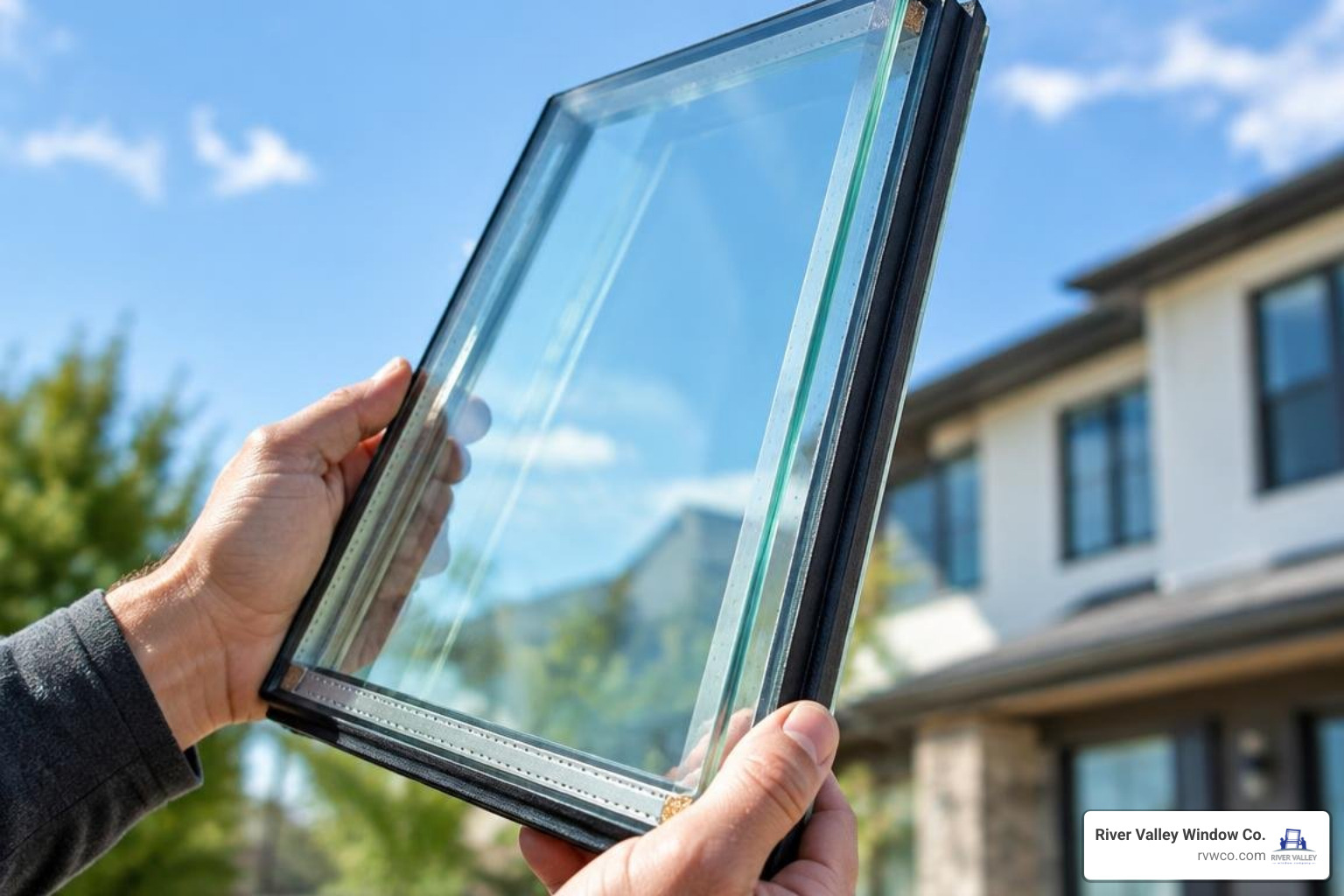
Modern double-pane windows utilize an insulated glass unit consisting of two panes separated by a spacer and sealed with an airtight barrier containing insulating gas (such as argon). When that perimeter seal degrades due to intense solar radiation or physical wear, moist outdoor air penetrates the cavity. This results in permanent condensation, hazy streaks, or a milky appearance between the panes that cannot be wiped clean.
Recognizing these issues early is vital. Learning the 3 signs it’s time for window replacement will help you determine whether your foggy glass is an isolated unit issue or part of a wider structural failure across your home’s openings.
When to Upgrade the Entire Window Assembly
While glass-only replacement works wonders for isolated pane issues, it cannot fix a failing frame. If your window frames are warped, cracked, structurally compromised, or allowing drafts to whistle through the sash perimeters, installing new glass is merely a temporary patch.
Upgrading the entire assembly gives you access to modern frame engineering, advanced weatherstripping, and high-performance glass packages. Understanding what are the benefits of replacement windows allows you to evaluate long-term comfort, noise reduction, and home value enhancement.
When you are ready to modernize your home’s exterior aesthetics and eliminate persistent drafts, you can completely transform your home with new replacement doors and windows.
How to Select the Right Glass Types and Energy Features
Desert climates present extreme thermal demands. Standard clear glass allows immense amounts of solar radiation into your home, forcing air conditioning systems to work overtime. When choosing glass replacements, selecting the right energy features is the difference between high utility bills and sustained indoor comfort. Discovering how new windows and doors can help you save on your energy bills begins with understanding glass construction.
Key energy-efficient components include:
- Low-E (Low-Emissivity) Coatings: Microscopic metallic oxide coatings applied to the glass reflect infrared heat while allowing visible natural light to enter. Low-E coatings applied to south- and west-facing windows dramatically cut solar heat gain during blistering summer afternoons.
- Argon Gas Fills: Denser than normal air, non-toxic argon gas is sealed between the dual panes of an IGU to reduce conductive and convective heat transfer.
- Warm-Edge Spacers: Advanced composite spacers reduce heat flow along the perimeter of the glass unit, preventing edge condensation and extending the life of the primary seal.
How to Find the Best Glass Replace Near Me for Custom Framing
Different locations throughout your home require specific glass formulations to meet local building codes and safety regulations:
- Tempered Safety Glass: Heat-treated to be four times stronger than standard annealed glass. When broken, it crumbles into small, dull granular pebbles rather than sharp, hazardous shards. Building codes require tempered glass in high-risk zones, such as within 60 inches of a floor, adjacent to stairways, inside bathrooms, and in patio doors.
- Laminated Glass: Built with a durable interlayer bonded between two glass sheets. It holds together upon impact, offering enhanced security against forced entry, exceptional sound dampening against exterior neighborhood noise, and superior UV protection.
Evaluating your floor plan helps you understand how to choose the right replacement windows for your needs, ensuring every pane meets strict safety standards while optimizing thermal defense.
Understanding Warranties and Coverage Standards
A reliable glass replacement should always be backed by robust, written manufacturer and workmanship coverage. When investing in premium products like Milgard windows and patio doors, it is essential to understand the current tiered warranty structure:
- Standard Limited Lifetime Warranty: This coverage protects against manufacturing defects and varies depending on whether the scope is new construction or replacement, as well as property occupancy. If transferred after the initial sale, it converts to a 10-year parts-only limited warranty calculated from the manufacture date, providing 10-year coverage on hardware with product-specific limitations for finishes and weatherstripping.
- Paid Full Lifetime Warranty Upgrade: Valid for the natural lifetime of the original consumer owner, this non-transferable upgrade covers both parts and labor. It includes glass breakage coverage for Tuscany® V400 and V450 series, while requiring glass breakage to be added as an optional upgrade for Trinsic™ V300 series.
- Applicable Shorter Limits: Specific components carry shorter coverage periods across the board. There are 10-year limits for insulated glass unit delamination, internal blind defects, and peeling or fading exterior finishes, alongside 1-year limits for weatherstripping, insect screens, and corrosion on stainless steel hardware.
Knowing these details guarantees your investment remains secure against premature component failure or unexpected glass damage.
Choosing a Certified Local Glazier or Installer
The longevity and performance of your replacement glass depend entirely on the skill and precision of the installation crew. Poor measurement by even an eighth of an inch can result in perimeter air leaks, compromised seals, and premature unit failure. Reviewing what to look for in your window and doors company ensures you partner with experienced professionals who specialize in non-invasive techniques.
Always verify licensing, bonding, insurance, and manufacturer certifications before allowing work to begin on your property. Our guide on how to pick the best window installers provides helpful tips for avoiding unlicensed contractors and subpar installations.
Key Inquiries to Make Before Hiring a Professional
To protect your property and ensure seamless project execution, prepare specific questions for prospective glazier candidates. Knowing the right questions to ask a window replacement company will quickly separate fly-by-night operations from seasoned craftsmen:
- Do you perform on-site, laser-accurate measurements before ordering custom glass units?
- What are your current fabrication lead times for custom Low-E insulated glass?
- Do your technicians use non-invasive methods that protect existing interior stops and exterior stucco?
- What is your protocol for site safety, glass cleanup, and disposal of broken materials?
Gathering comprehensive answers before signing a contract reinforces what you need to know before getting new windows or replacing broken glass panes.
Checklist for Evaluating Quality Glass Replace Near Me Services
When narrowing down local providers, use this practical checklist to ensure you achieve the ideal balance of pricing, service quality, and product longevity. Learning how to find affordable windows without sacrificing quality keeps your project on budget while securing superior components.
Use our ultimate checklist for house window replacement near me alongside these foundational standards:
- [ ] Itemized Written Estimates: Transparent quotes detailing glass specifications, spacer types, Low-E ratings, labor fees, and disposal costs.
- [ ] Exact-Fit Custom Sizing: In-home verification of width, height, and overall glass thickness to ensure airtight sash seating.
- [ ] High-Grade Sealants: Use of commercial-grade neutral-cure silicone and structural glazing tapes that withstand extreme Arizona heat without drying or cracking.
- [ ] Clear Workmanship Guarantees: Written warranties that clearly distinguish between glass unit seal protection and installation labor.
Frequently Asked Questions About Residential Glass Replacement
Can you replace just the glass in a double-pane window?
Yes. If the surrounding window frame, sash, and operating hardware are structurally intact and functional, a professional glazier can replace only the double-pane insulated glass unit (IGU). The technician carefully removes the interior glazing stops, extracts the failed or broken glass package, cleans the frame channel, and sets a brand-new, factory-sealed IGU into the existing sash. This avoids disturbing your home’s siding, drywall, or exterior trim while restoring full thermal performance.
How much does window glass replacement typically cost?
The cost of residential glass replacement varies depending on pane dimensions, overall glass thickness, specialty safety ratings (such as tempered or laminated glass), and energy coatings like Low-E treatments. Standard single-pane or smaller double-pane units are the most budget-friendly, while large picture windows, custom geometric shapes, or sliding patio door glass require higher material and labor investments. Choosing glass-only replacement routinely saves homeowners 65% to 75% compared to full window frame replacement.
How long does a typical window glass replacement take?
Once the custom-ordered insulated glass unit is fabricated to your frame’s exact dimensions (which typically takes several business days depending on glass specifications), the physical on-site installation is remarkably swift. A skilled technician can generally replace an insulated glass unit in 45 to 90 minutes per window sash using non-invasive installation practices that leave your home clean and undisturbed.
Conclusion
Whether you are dealing with a shattered window pane, persistent seal failure fogging your desert views, or high energy bills caused by outdated single-pane glass, finding the right local replacement service restores clarity, comfort, and security to your living spaces. By assessing frame integrity, selecting climate-optimized Low-E glass packages, and partnering with certified installation specialists, you ensure durable, long-term performance.
At River Valley Window Co., we specialize in precision fitment, non-invasive installations, and industry-leading products engineered to conquer the demanding Northwestern Arizona climate. When you are ready for exceptional craftsmanship, schedule professional window and glass services with our dedicated local team today.