

Why Garden Window Replacement Is Worth Your Attention
Garden window replacement is one of the most impactful upgrades a homeowner can make — especially in a kitchen that feels dark, drafty, or dated.
Quick answer: What is a garden window replacement?
- A garden window is a box-shaped window that projects outward 12–18 inches from your exterior wall
- It creates a small, sunlit shelf — ideal for herbs, plants, or decor
- Replacing an old garden window restores energy efficiency, stops drafts, and refreshes your kitchen’s look
- Most installations are completed in a single day by a professional
Windows account for roughly 25–30% of your home’s heating and cooling energy use. In Northwestern Arizona’s extreme heat, an aging garden window with failed seals or cracked frames is quietly driving up your energy bills every month.
The signs are easy to miss at first — a little condensation between the panes, a faint draft near the sink, a frame that feels soft when you press it. But left unchecked, those small problems turn into bigger ones: water damage, mold, and a window that simply doesn’t perform anymore.
The good news? A quality replacement garden window fixes all of that — and adds a bright, functional focal point to your kitchen in the process.
What is a Garden Window? (And How It Differs from Bay or Bow Windows)
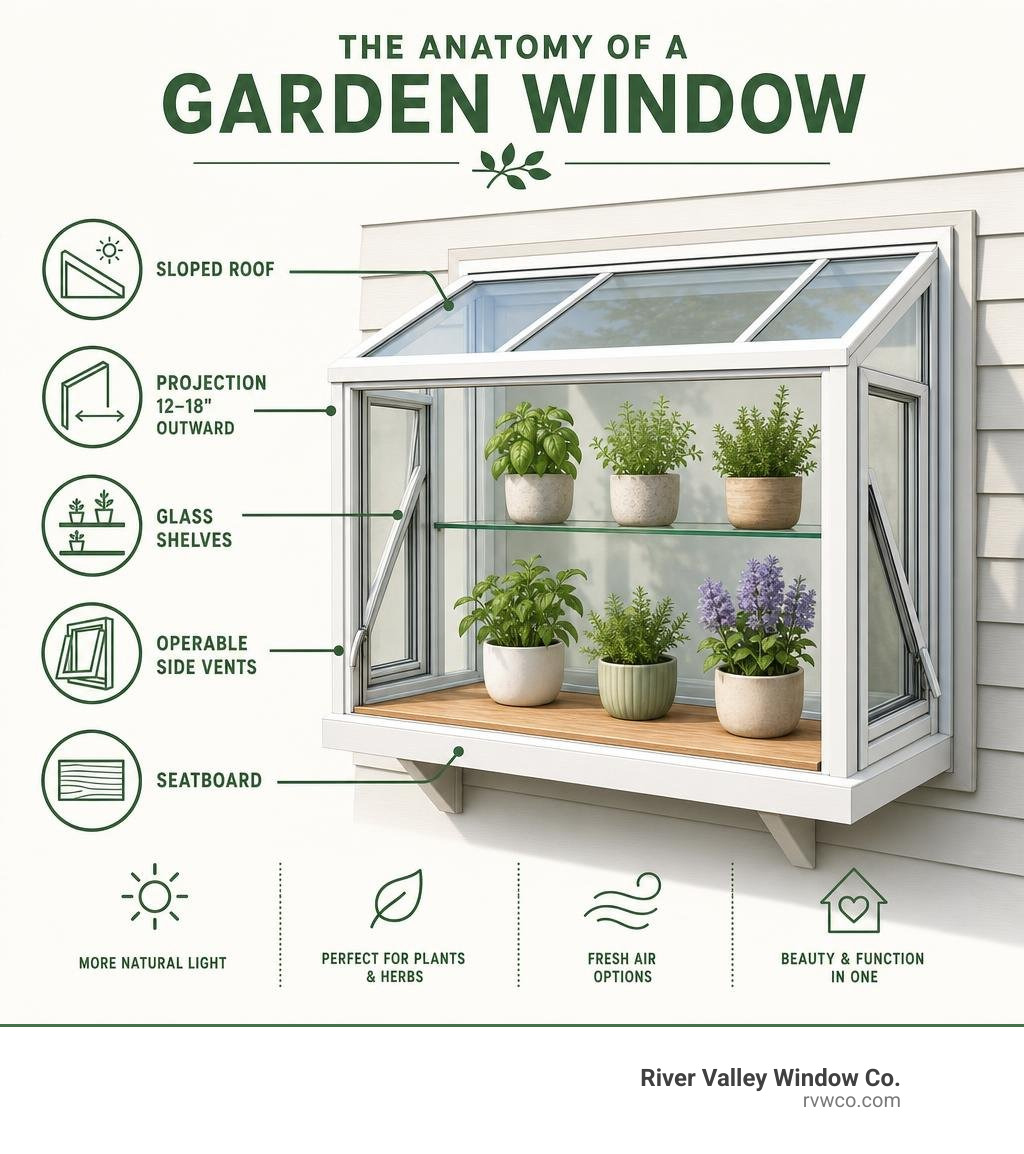
A garden window is a unique specialty window designed to protrude outward from your home’s exterior wall. Unlike standard flat windows, it creates a fully enclosed, three-dimensional glass box. Often referred to as a “greenhouse window,” this style is specifically engineered to act as a miniature indoor greenhouse, capturing sunlight from multiple angles.
Typically, a garden window projects about 12 to 18 inches from the wall. It features a sloped top glass pane (usually set at a constant 35-degree pitch to shed water and debris), a solid bottom seatboard, and side panes that often double as operable vents.
In Northwestern Arizona, where the sun shines bright year-round, these windows are highly prized. They allow you to cultivate delicate plants and fresh herbs indoors, protected from the harsh desert wind and intense outdoor heat. Beyond their practical gardening use, understanding how window placement can change the mood of a room is key; a garden window instantly opens up a cramped kitchen, making it feel vastly more spacious and welcoming.
Garden Window vs. Bay and Bow Windows
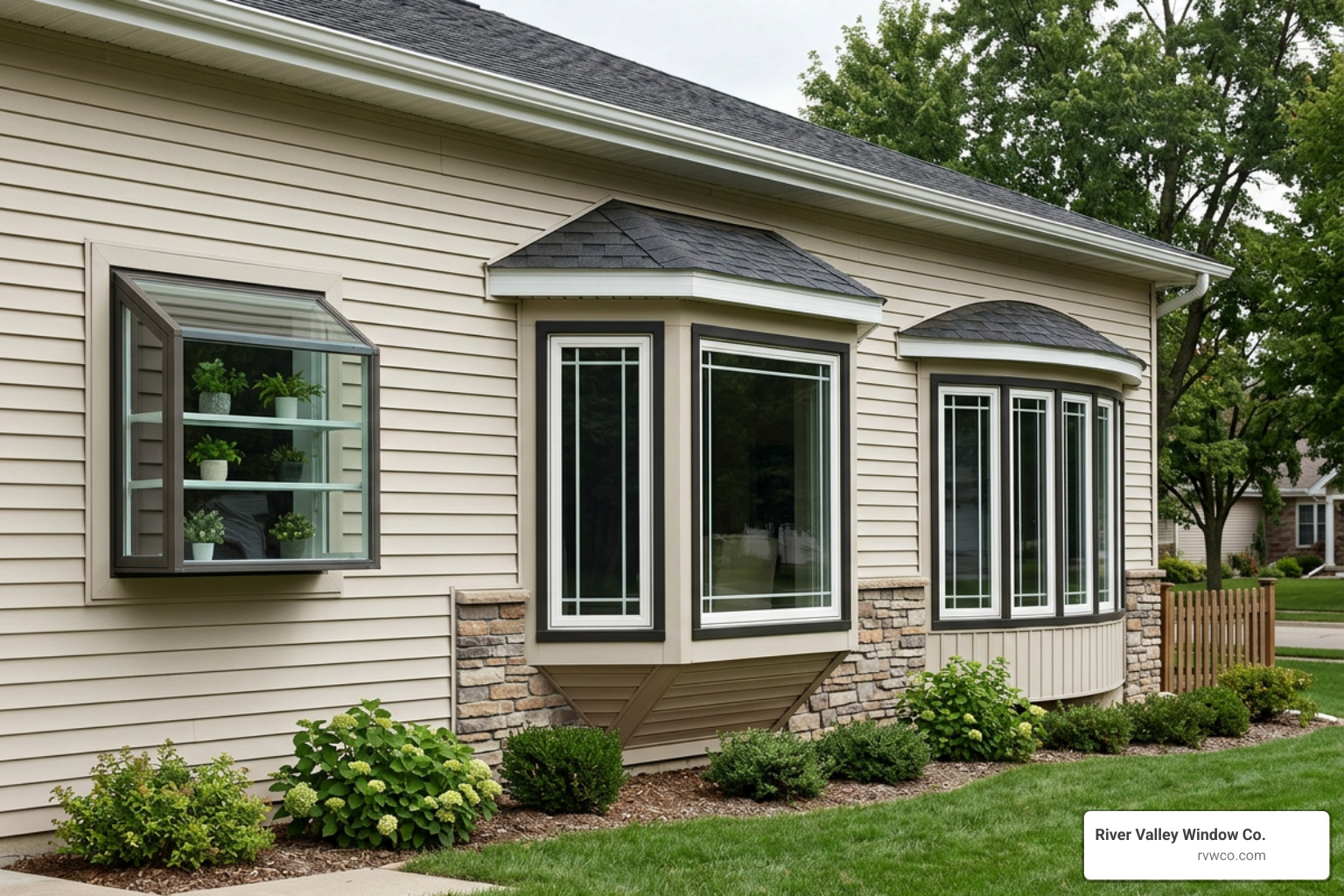
While they all project outward from the home, garden, bay, and bow windows serve very different design and functional purposes:
- Structure and Shape: Garden windows are box-like, projecting at a sharp 90-degree angle from the home with a flat, sloped glass roof. Bay windows typically consist of three angled panes (usually set at 30 or 45 degrees) that create a softer, polygonal projection. Bow windows use four to six narrow panels arranged in a gentle, sweeping curve.
- Roofing: Garden windows use a tempered glass pane as their roof to maximize overhead sunlight. Bay and bow windows require a structural, shingled, or metal roof built over them on the exterior.
- Primary Purpose: Garden windows are engineered specifically with built-in shelving to hold potted plants and herbs. Bay and bow windows are designed to maximize physical floor space, often incorporating a large built-in window seat or reading nook.
- Ventilation: Garden windows feature small, easily operable side casement sashes designed for quick cross-ventilation. Bay and bow windows rely on larger double-hung or casement units flanking a fixed center picture window.
When to Consider a Garden Window Replacement
Like any exterior feature, garden windows don’t last forever. Most high-quality vinyl or fiberglass units perform beautifully for 15 to 20 years, but harsh desert sun and temperature fluctuations will eventually take their toll.
If you are noticing draftiness, difficulty opening the side vents, or visible wear, it is time to evaluate your window’s health. Recognizing these issues early can save you from costly structural repairs down the road. For a comprehensive look at general warning signs, check out these 3 signs it’s time for window replacement and learn more about how to know when you need a window replacement.
Structural Damage and Failed Seals
Because garden windows project outward, they are fully exposed to the elements on four sides. This makes them particularly vulnerable to structural wear:
- Failed Seals and Foggy Glass: If you notice persistent condensation, fogging, or mineral staining between the double-pane glass, your window’s seals have failed. Once the seal is broken, the insulating gas (like argon) escapes, rendering the window highly inefficient.
- Moisture Pooling and Wood Rot: Older garden windows built with wood frames or cheap laminate seatboards are notorious for rotting. Watering plants can lead to accidental spills, and if the window’s drainage weep holes are clogged, water will pool in the bottom corners, causing the wood to soften, decay, and harbor mold.
- Difficulty Operating Sashes: If the side casement sashes are sticking, warping, or refusing to lock tightly, the frame may have sagged or warped under the weight of the glass. This compromise in structural integrity allows hot Arizona air and dust to blow directly into your clean kitchen.
The Benefits of Upgrading Your Kitchen Window
Opting for a garden window replacement does more than just fix a broken pane—it completely transforms your daily kitchen experience.
First and foremost is the dramatic increase in natural light. By capturing sunlight from the top, front, and sides, a garden window floods your countertops with cheerful, ambient illumination. This reduces your reliance on overhead artificial lighting during the day. If you’ve ever wondered why your home feels a bit gloomy, exploring why your home needs more natural lighting reveals the incredible physical and mental health benefits of sun-drenched living spaces.
Additionally, a new garden window serves as a highly functional culinary asset. You can cultivate a thriving indoor herb garden right above your sink, keeping fresh basil, rosemary, and thyme always within arm’s reach while cooking. It also elevates your home’s curb appeal, adding a charming, dimensional architectural element to your exterior. To understand the broader advantages of this upgrade, read about what are the benefits of replacement windows.
Energy Efficiency and Comfort Upgrades
In Lake Havasu City and across Northwestern Arizona, energy efficiency isn’t a luxury—it is an absolute necessity. Older garden windows can act like small solar ovens, trapping heat and forcing your air conditioner to run constantly.
Modern replacement garden windows solve this issue through advanced technology:
- Low-E Glass Coatings: Low-Emissivity (Low-E) glass reflects infrared and ultraviolet light. This keeps the scorching desert heat outside while allowing visible light to pass through, protecting your indoor plants from getting scorched and your kitchen countertops from fading.
- Argon Gas Fill: The space between the glass panes is filled with dense argon gas, which acts as an invisible barrier to slow down heat transfer.
- High-Performance Spacers: Advanced warm-edge spacers keep the glass panes perfectly spaced and sealed, preventing drafts.
Upgrading to these features dramatically lowers your monthly cooling costs. Discover exactly how energy efficient windows can save you substantial money during our blistering summer months.
Key Features and Customization Options for Your New Window
When planning your garden window replacement, you aren’t locked into a one-size-fits-all design. Modern manufacturing allows you to customize almost every aspect of the window to match your kitchen’s aesthetic and your personal gardening goals.
Selecting the Right Materials for Garden Window Replacement
Choosing the right frame material is crucial for long-lasting durability in the Arizona desert. To help you navigate your choices, read our guide on how to choose the right replacement windows for your needs.
- Vinyl Frames: Vinyl is the most popular and cost-effective choice for garden windows. High-quality vinyl frames (like those from Milgard) are formulated with titanium dioxide and stabilizers to resist extreme UV rays. They will never chip, peel, crack, warp, or rot, making them virtually maintenance-free.
- Fiberglass Frames: If you want the ultimate in strength and thermal performance, fiberglass is unmatched. It expands and contracts at virtually the same rate as the glass panes themselves, ensuring the seals remain perfectly intact even when temperatures swing from chilly desert nights to triple-digit summer days.
- Wood Clad: While beautiful, natural wood interior frames require regular painting and sealing to prevent moisture damage from plant watering. For most kitchens, vinyl or fiberglass offers far superior longevity.
Glass, Shelving, and Ventilation Options
- Tempered Glass: Safety is paramount. The sloped top glass pane of a garden window should always be tempered to withstand falling branches, heavy downpours, or accidental impacts.
- Adjustable Shelving: Look for units that feature one or two adjustable glass shelves with polished edges. Glass shelves allow sunlight to pass freely through to the plants sitting on the bottom seatboard.
- Operable Side Casements: High-quality garden windows feature two fully functional side casement windows equipped with multi-point locking systems and screens. This allows you to easily capture refreshing breezes and enjoy healthy cross-ventilation.
Cost Factors and Comparison with Other Styles
A garden window replacement is a specialized project. Because of their three-dimensional projection and the structural support required, they generally cost more to manufacture and install than standard flat windows. However, the return on investment (ROI) is highly favorable. In fact, exterior replacement projects consistently rank among the top remodeling projects with the highest ROI nationwide.
To give you an idea of how garden windows compare to other common kitchen window styles, we’ve outlined the key differences below:
| Window Style | Average Projection | Primary Benefit | Ventilation Level | Relative Cost |
|---|---|---|---|---|
| Garden Window | 12″ – 18″ | Mini-greenhouse shelf, maximum light | Excellent (side casements) | Moderate to High |
| Standard Casement | Flat (0″) | Unobstructed views, tight seal | High (cranks open fully) | Low to Moderate |
| Picture Window | Flat (0″) | Maximum view, completely airtight | None (fixed pane) | Low |
Planning Your Budget for Garden Window Replacement
Several factors will influence the final cost of your replacement project:
- Size of the Opening: Standard widths for garden windows include 32, 36, 40, or 48 inches. Choosing a standard size is more budget-friendly than ordering a custom-sized unit.
- Material Selection: Vinyl is highly durable and budget-friendly, while premium fiberglass or custom exterior colors will increase the initial investment.
- Glass Package Upgrades: Opting for triple-pane glass (which can improve window energy performance by up to 40%) or specialized solar block screens will add to the upfront cost but yield greater energy savings over time.
- Labor and Structural Prep: Replacing an existing, rotting garden window often requires repairing the surrounding drywall or exterior stucco.
For a detailed look at the installation process from a homeowner’s perspective, check out this helpful resource: Garden Window Replacement: A Step-by-Step Guide for Homeowners in 2026 – Newtothetable.
Maintenance Tips for Long-Lasting Performance

Modern vinyl and fiberglass garden windows are designed to be low-maintenance, but a little routine care will ensure they perform beautifully for decades:
- Keep Weep Holes Clear: The most critical maintenance step is ensuring the weep holes at the bottom of the exterior frame remain uncaulked and free of dirt. These holes allow condensation and accidental watering spills to drain safely outside.
- Clean with Mild Detergent: Clean the vinyl or fiberglass frames using a soft cloth, warm water, and a mild dish soap. Avoid abrasive cleaners or scrub brushes that could scratch the frame or strip away protective UV coatings.
- Inspect the Seals and Caulk: Once a year, inspect the exterior caulking where the window frame meets your home’s siding or stucco. If you spot any gaps or cracking, gently scrape away the old caulk and apply a fresh bead of high-quality exterior silicone sealant.
- Manage Indoor Moisture: If you have a forest of plants in your garden window, wipe down any excess condensation on the glass or seatboard to prevent mold growth in the corners.
Frequently Asked Questions about Garden Windows
Can a garden window be installed in rooms other than the kitchen?
Absolutely! While the kitchen sink is the classic location, garden windows are wonderfully versatile. They make fantastic additions to home offices (providing a calming, plant-filled backdrop for video calls), bathrooms (offering a bright alcove for decorative soaps and humidity-loving tropical plants), and laundry rooms.
How do garden windows impact home energy bills?
If you install an outdated or poorly sealed unit, a garden window can increase heat gain in the summer. However, a modern, energy-efficient replacement featuring double-pane Low-E glass, argon gas, and a tight-sealing vinyl or fiberglass frame will insulate your home beautifully. Because windows account for roughly a quarter of residential heating and cooling energy use, upgrading an old, leaky garden window will actually lower your monthly utility bills.
Is DIY installation recommended for garden windows?
Generally, no. Because garden windows project outward, they weigh significantly more than standard flat windows (often between 80 and 120 pounds). They require precise leveling, structural shimming, and flawless flashing to prevent water from penetrating your home’s exterior walls. To protect your home and ensure your lifetime product warranty remains valid, professional installation is highly recommended.
Conclusion
A garden window replacement is more than just a home improvement project—it is an investment in your daily comfort, your home’s value, and your love for bright, living spaces. To see the visual impact of a professional upgrade, read about how new windows can transform the look of your home.
At River Valley Window Co., we specialize in helping homeowners throughout Lake Havasu City and Northwestern Arizona find the perfect, energy-efficient window solutions for our unique desert climate. As certified dealers of top-tier Milgard products, we pride ourselves on fast, non-invasive installations backed by an industry-leading lifetime warranty.
Ready to banish the drafts and bring natural light back into your kitchen? Schedule a Consultation with River Valley Window Co. today, and let us help you create the kitchen of your dreams!