
How Much Does It Really Cost to Change Windows in a House?
The cost of changing windows in a house is one of the most common questions homeowners ask before starting a renovation — and for good reason. It’s not a small investment.
Here’s a quick answer before we dive deeper:
| Project Scope | Typical Cost Range |
|---|---|
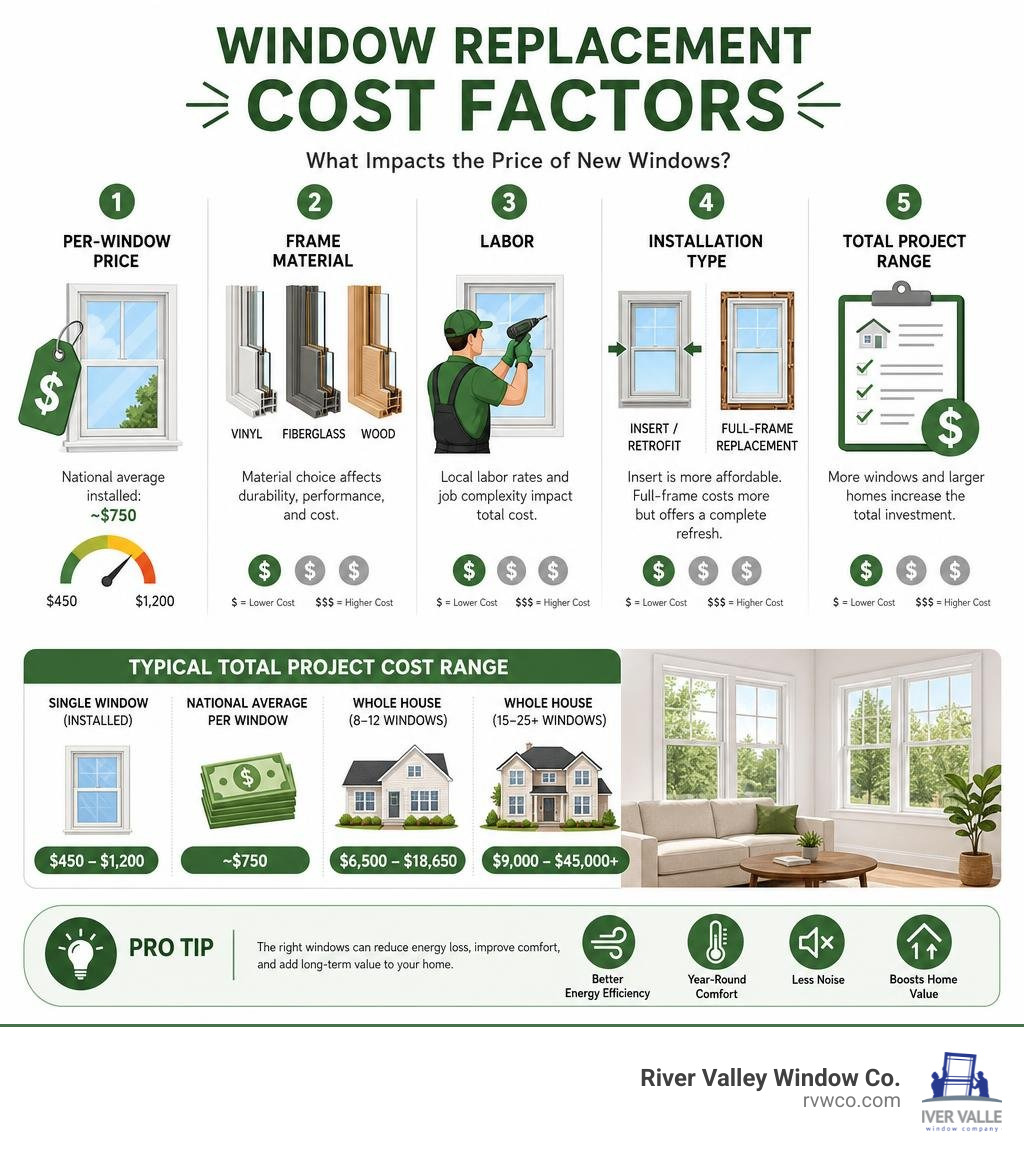
| Single window (installed) | $450 – $1,200 |
| National average per window | ~$750 |
| Whole house (8–12 windows) | $6,500 – $18,650 |
| Whole house (15–25+ windows) | $9,000 – $45,000+ |
The biggest factors that move that number up or down:
- Frame material (vinyl, fiberglass, or wood)
- Installation method (insert/retrofit vs. full-frame replacement)
- Number of windows and home size
- Your local labor market
- Hidden costs like rotted frames, permits, or lead-paint compliance
If you’re a homeowner in Northwestern Arizona dealing with blazing summers and rising utility bills, the stakes are even higher. Old, drafty windows can account for 25–30% of your home’s heating and cooling energy loss, according to the U.S. Department of Energy. That means the windows you choose — and what you pay for them — directly affects your comfort and your monthly bills for decades to come.
This guide breaks down every cost factor clearly, so you can budget with confidence and avoid getting overcharged.
Simple guide to cost of changing windows in a house:
Understanding the National Average Cost of Changing Windows in a House
When calculating the cost of changing windows in a house, it helps to look at both the national average and local market trends. Nationally, the average cost to replace a single window stands at $750 in 2026, with a typical range of $450 to $1,200 per unit installed.
For a whole-house window replacement (typically 10 to 20 windows), homeowners spend between $7,500 and $24,000. If you have a smaller home requiring 8 to 12 windows, you can expect a project cost of $8,000 to $15,000.
In Arizona, labor rates and local climate needs shift these numbers slightly. The state average for a standard window replacement is $728, with regional variations like $773 in Phoenix. Homeowners in Northwestern Arizona, particularly in Lake Havasu City, face unique environmental challenges—namely, extreme desert heat—which make high-performance glass non-negotiable.
To get a more tailored estimate for your specific project scale, you can use the Window Replacement Cost Calculator 2026 — Cost Per Window | CostPrism.
Factors Influencing the Cost of Changing Windows in a House
No two window replacement projects are identical. When contractors draft an estimate, several variables dictate the final price:
- Window Count and Size: Standard window sizes are mass-produced and cost significantly less. Large, custom, or specialty shapes require specialized handling and premium manufacturing.
- Frame Material: Choosing vinyl over wood or fiberglass will drastically alter your upfront material costs.
- Glass and Energy Packages: Upgrading from standard double-pane to double-pane with Low-E coatings and argon gas fill adds to the material costs but delivers much higher energy savings.
- Installation Method: Retrofit installations are faster and cheaper, while full-frame replacements require more labor and materials.
For a detailed walkthrough on preparing your finances for this project, read our guide on How to Budget for Window Replacement for Your Home.
Frame Materials and Their Impact on Your Budget
The frame material you select is one of the most significant cost drivers in any window replacement project. Frame materials do not just dictate the look of your home; they also determine the window’s lifespan, maintenance requirements, and thermal performance in extreme weather.
Here is how different frame materials compare in cost, durability, and maintenance:
| Frame Material | Average Installed Cost Per Window | Expected Lifespan | Maintenance Level |
|---|---|---|---|
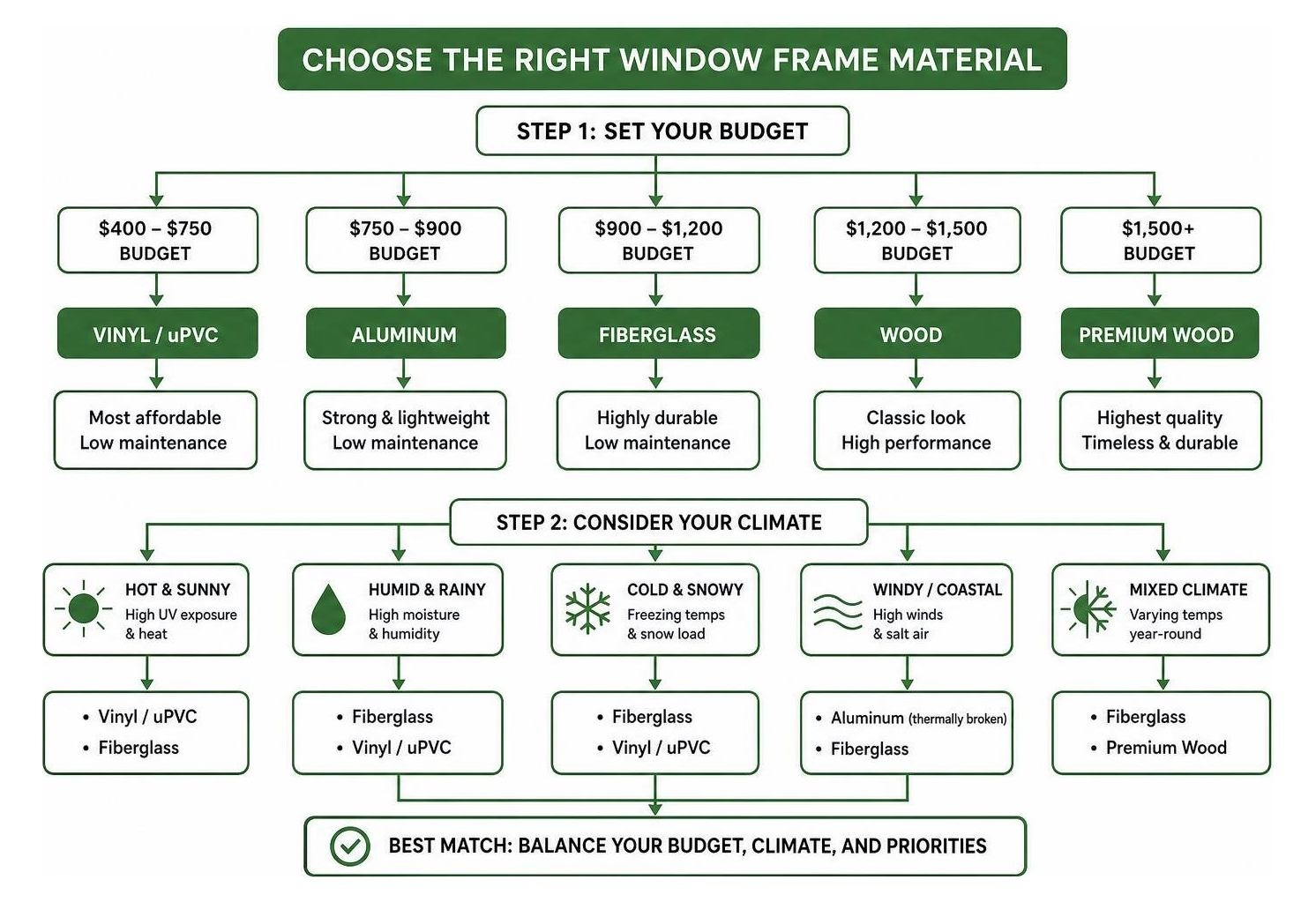
| Vinyl | $400 – $800 | 20 – 40 Years | Low (No painting required) |
| uPVC | $400 – $750 | 15 – 20 Years | Low (Can warp in extreme heat) |
| Fiberglass | $600 – $1,200 | 30 – 50 Years | Low (Highly durable) |
| Aluminum | $500 – $900 | 30 – 40 Years | Low (Poor thermal performance unless thermally broken) |
| Wood | $800 – $1,500 | 30 – 50+ Years | High (Requires regular painting/staining) |
Choosing the right material depends on your budget, long-term housing plans, and local climate. For a deep dive into these materials, check out our guide on What Materials Are Best for Replacement Windows?.
Standard Vinyl vs. Premium Fiberglass
For homeowners in Northwestern Arizona, the debate often comes down to standard vinyl versus premium fiberglass.
Vinyl is the most popular residential choice across the country because it is highly cost-effective, requires zero maintenance, and provides excellent thermal insulation. Modern vinyl options, such as Milgard’s Trinsic™ V300 and Tuscany® V400, are engineered with a special process that allows UV rays to pass through the color and reflect off the frame, preserving the window’s longevity and preventing fading in intense desert sunlight.
Premium fiberglass, on the other hand, represents a higher upfront investment but offers unmatched durability. Fiberglass is eight times stronger than vinyl and features exceptional dimensional stability. Because fiberglass expands and contracts at virtually the same rate as the glass pane itself, it will not warp, crack, or break its seals under extreme temperature fluctuations. This makes fiberglass the ultimate choice for large picture windows or homes exposed to Lake Havasu’s triple-digit summer heat.
Installation Methods: Full-Frame vs. Retrofit (Insert)
Your choice of installation method will directly impact both the labor time and the total cost of changing windows in a house.
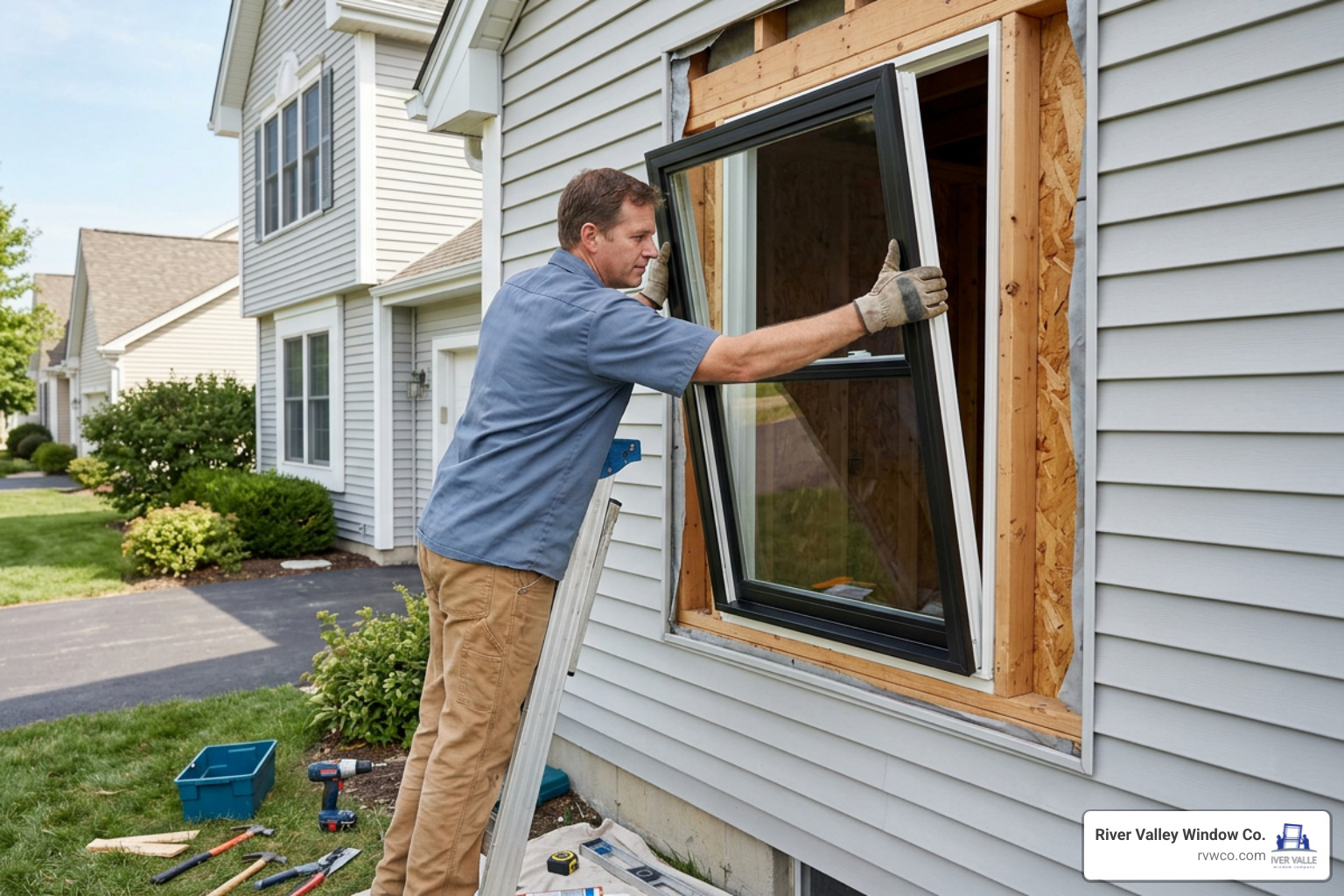
- Retrofit (Insert) Installation: Also known as pocket installation, this method slides a new window unit directly into the existing, structurally sound frame. It preserves the existing interior and exterior trim, taking only 30 to 60 minutes per window. This method is highly non-invasive and saves $150 to $300 per window in labor costs.
- Full-Frame Replacement: This method involves stripping away the entire window assembly, including the frame, casing, and trim, down to the rough opening. It is required if your existing frames are rotted, out of square, or if you are changing the size or style of the window. Full-frame replacements typically cost 20% to 30% more than insert installations.
To compare how these methods scale across your entire home, use the Window Replacement Cost Calculator — Per Window & Whole House (2026) | ConstructlyTools.
Hidden Costs and Unexpected Repairs
When budgeting, it is wise to set aside a 10% to 20% contingency fund to cover unexpected expenses that only surface once the old windows are removed.
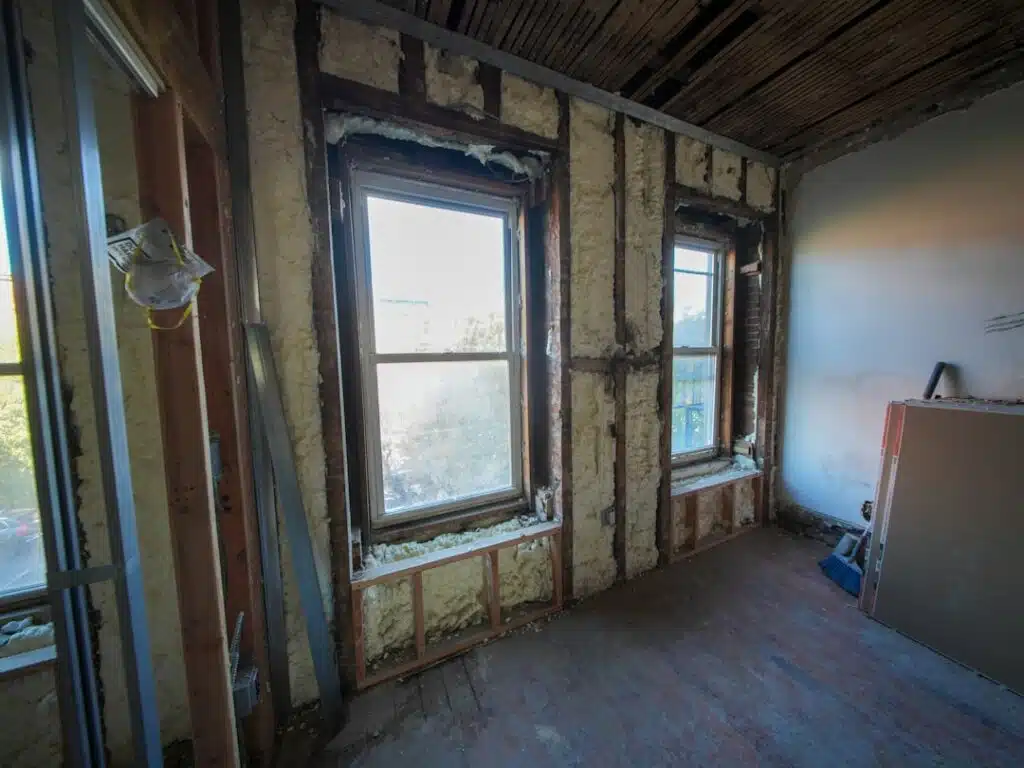
- Dry Rot and Framing Repairs: If water has penetrated the old window seals, the underlying wood framing may be rotted. Repairing these structural elements can add $150 to $500 per window.
- Lead-Paint Compliance: For homes built before 1978, federal EPA RRP rules mandate specific lead-safe work practices, adding $200 to $800 to the project.
- Local Permits: Building permits for structural or full-frame changes typically cost $75 to $400.
- Disposal and Cleanup Fees: Hauling away heavy glass and old frames usually incurs a fee of $55 to $65 per hour.
Financial Returns: ROI, Energy Savings, and Tax Credits in 2026
While the upfront cost is significant, new windows offer some of the highest financial returns of any home improvement project. According to Remodeling Magazine’s Cost vs. Value Report, replacing old windows returns 67% to 75% of its cost at resale.
Furthermore, replacing old single-pane windows with Energy Star-certified double-pane Low-E windows can save you $125 to $465 per year on your utility bills. In fact, over 66% of surveyed homeowners reported saving between $25 and $100 per month on cooling and heating costs after upgrading.
To learn more about how these upgrades affect your monthly bills and property value, read about How New Windows and Doors Can Help You Save on Your Energy Bills and explore What Kind of Window Offers the Best ROI?.
Maximizing the ROI on the Cost of Changing Windows in a House
To get the most out of your investment, focus on energy features tailored to our hot desert climate:
- Double-Pane Glass with Argon Gas: Double-pane windows with argon gas fill provide excellent insulation. Triple-pane windows add 20% to 40% more cost but are generally overkill for warm climate zones like Arizona.
- Low-E Glass Coatings: Low-Emissivity (Low-E) coatings reflect infrared heat while letting visible light pass through.
- Solar Heat Gain Coefficient (SHGC): In Northwestern Arizona, SHGC is the most critical metric. Look for a low SHGC (ideally under 0.25) to block solar heat from baking your home’s interior during peak summer hours.
- Federal Tax Credits: The Energy Efficient Home Improvement Credit (IRS Form 5695) allows you to claim a 30% tax credit on qualifying energy-efficient window material costs, up to $600 per year.
Frequently Asked Questions about Window Replacement Costs
Is it cheaper to replace all windows at once or in phases?
Yes, it is almost always cheaper to replace all your windows at once. Doing a whole-house replacement typically saves 15% to 25% per window (or $75 to $150 per window) compared to single-window pricing.
When you replace windows in phases, you pay repeated “mobilization fees” (travel, setup, and cleanup costs for the installation crew) and miss out on bulk material discounts from manufacturers. However, if your budget is tight, prioritizing the rooms that suffer from the worst drafts or direct sun exposure is a practical way to manage costs.
How much does labor contribute to the total project cost?
Labor is a major component of the project, typically accounting for 40% to 55% of the total window replacement quote.
A standard installation involves setting, shimming, securing, insulating, and weatherproofing the window. The labor cost reflects the installer’s skill, licensing, workman’s compensation, liability insurance, and the complexity of the job. Multi-story installations, for example, require scaffolding and safety equipment, which typically incurs a 15% to 30% labor premium.
What are the warranty differences for modern replacement windows?
Modern replacement window warranties are tiered based on your contract. Milgard offers a standard Limited Lifetime Warranty and a paid Full Lifetime Warranty upgrade:
- Full Lifetime Warranty Upgrade: Valid for the natural lifetime of the original consumer owner, this upgrade is non-transferable and covers both parts and labor. It includes glass breakage coverage for the Tuscany® V400 and Tuscany® V450 series, while requiring glass breakage as an added upgrade for the Trinsic™ V300 series.
- Shorter Warranty Limits: Certain components carry shorter coverage limits under this upgrade. There is a 10-year limit on insulated glass unit delamination, blind defects, and peeling or fading finishes. There is a 1-year limit on weatherstripping, screens, and corrosion on stainless steel hardware.
- Standard Limited Lifetime Warranty: This warranty varies based on whether the windows were installed in a new construction or replacement scope, as well as the occupancy type. If you sell your home and transfer this warranty, it converts into a 10-year parts-only limited warranty calculated from the manufacture date, which includes 10-year hardware coverage and product-specific finish or weatherstripping limitations.
Conclusion
The cost of changing windows in a house is an investment in your home’s value, comfort, and long-term energy efficiency. By understanding the variables that drive pricing—from frame materials to installation methods—you can make an informed decision that fits your budget.
If you are ready to upgrade your home in Lake Havasu City or anywhere in Northwestern Arizona, River Valley Window Co. is here to help. We specialize in Milgard energy-efficient vinyl and fiberglass products, designed specifically to withstand the harsh desert heat. Our expert team provides fast, non-invasive installations backed by industry-leading lifetime warranties.
Ready to stop throwing money out of drafty windows? Contact us today to schedule your free, personalized consultation and get an accurate quote for your home.