

Why Hiring the Right Skylight Installation Contractor Can Make or Break Your Project
Finding a qualified skylight installation contractor is one of the most important decisions you’ll make before adding natural light to your home. The wrong hire can lead to leaks, drafts, and costly repairs down the road. The right one delivers a beautiful, energy-efficient result that lasts decades.
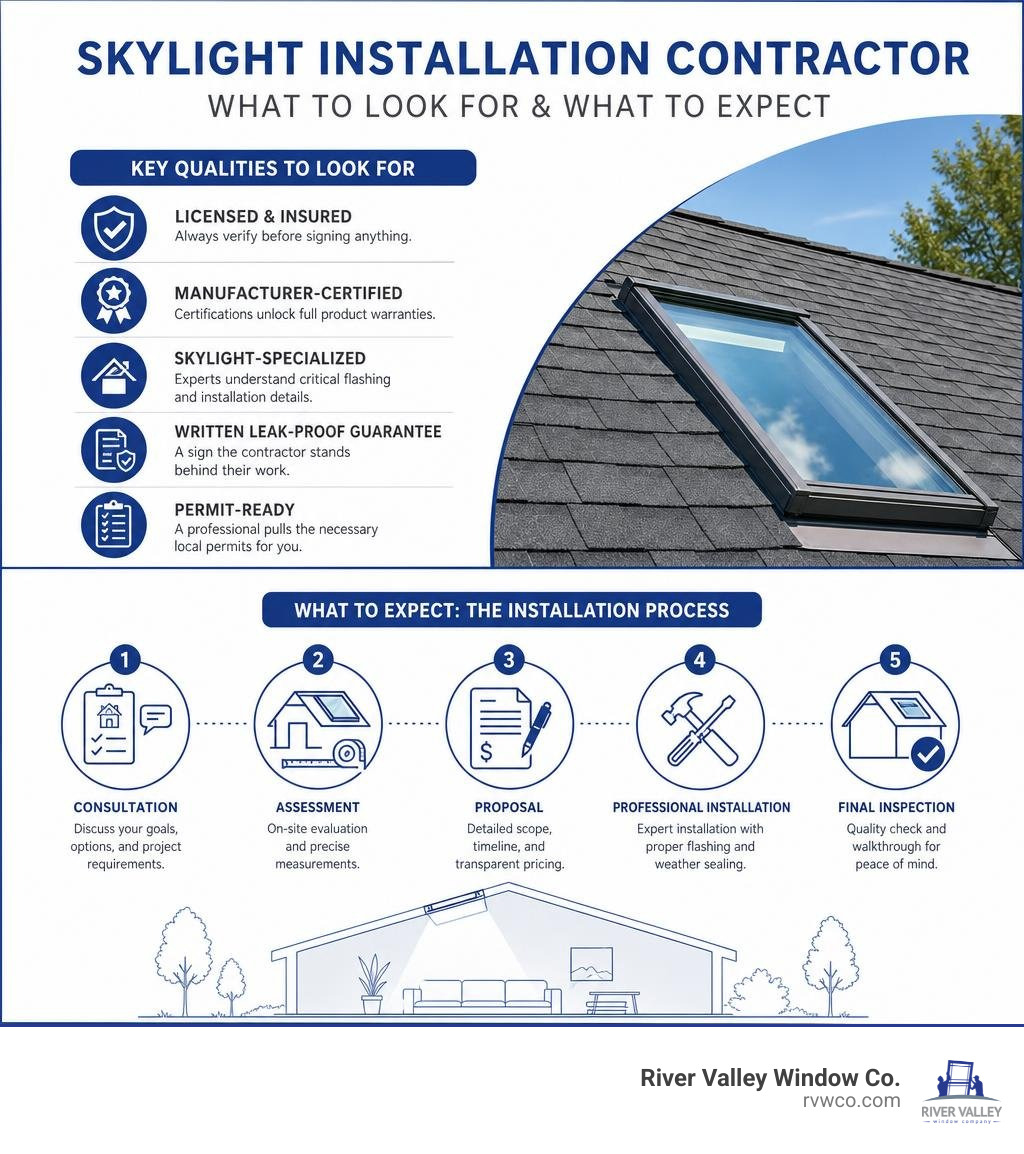
Here’s what to look for at a glance:
- Licensed and insured — always verify before signing anything
- Manufacturer-certified — certifications (like VELUX) unlock full product warranties
- Skylight-specialized — general roofers or handymen often miss critical flashing details
- Written leak-proof guarantee — a sign the contractor stands behind their work
- Permit-ready — a professional pulls the necessary local permits for you
Skylights are a specialty trade. Improper installation — even a slightly miscalculated tilt angle or a poorly sealed flashing joint — can mean water damage, uncomfortable indoor temperatures, and higher energy bills. As one industry source puts it: you cannot afford a cheap installation or a bad repair job.
This guide walks you through everything you need to know before hiring, from the types of skylights available to the questions you must ask any contractor before work begins.
The Benefits of Adding Natural Light to Your Home
We live in Northwestern Arizona, which means we aren’t exactly hurting for sunshine. But while the desert sun blazes outside, many homes in Lake Havasu City and the surrounding areas remain surprisingly dark inside. Standard vertical windows can only do so much, especially in deep, open-concept floor plans.
Did you know that skylights bring up to four times as much light into your home compared to traditional vertical windows? By capturing light from above, they flood your living spaces with consistent, beautiful illumination that changes dynamically throughout the day. It’s a simple way to make a room feel larger, more inviting, and connected to the beautiful Arizona sky.
There are many 4 Reasons You Need a Skylight beyond just the visual upgrade. First, understanding Why Your Home Needs More Natural Lighting comes down to health and well-being. Exposure to natural daylight helps regulate your circadian rhythm, boosts mood, and enhances productivity.
Furthermore, modern skylights are highly engineered systems designed to manage solar heat gain. By utilizing advanced glass coatings, they let the light in while keeping the intense Arizona heat out. During our milder winter months, they can even provide passive solar heating, helping to lower your utility bills.
Elevating Specific Rooms with Skylights
Certain areas of your home benefit immensely from vertical lighting. Bathrooms, for example, are notorious for trapping moisture and humidity. Installing a venting skylight allows you to Upgrade Your Master Bathroom with Skylights, creating a spa-like retreat. When opened, these units act as a natural chimney, drawing hot, humid air up and out of the home while maintaining complete privacy.
Kitchens also benefit from this natural ventilation. Cooking heat, steam, and odors are quickly evacuated, leaving your kitchen smelling fresh and feeling cool.
Boosting Property Value and Appeal
Beyond daily comfort, adding skylights is an investment in your home’s equity. When buyers walk into a home bathed in soft, natural light, the space immediately feels high-end and spacious. Knowing How Skylights Affect Home Resale Value What Buyers Look For can give you a distinct competitive edge if you ever decide to sell. Buyers look for modern, energy-efficient features, and a professionally installed, leak-free skylight is a major selling point.
Types of Skylights and Sun Tunnels Available
When researching options with a skylight installation contractor, you will find several distinct styles. Choosing the right one depends on your home’s architecture, your budget, and your specific lighting goals. To understand how these systems compare, it helps to read up on How Sun Tunnels and Skylights Improve Your Home.
- Fixed Skylights: These are the most common residential units. They do not open, meaning their sole purpose is to flood a room with light. They are incredibly reliable, highly energy-efficient, and perfect for vaulted or cathedral ceilings.
- Venting Skylights: These units open outward to provide both light and fresh air. They are available in manual configurations (operated with a crank or telescoping pole) or solar-powered models. Solar-powered venting skylights operate via remote control and feature built-in rain sensors that automatically close the window at the first drop of moisture.
- Tubular Daylighting (Sun Tunnels): A sun tunnel consists of a highly reflective tube that runs from your roof to your ceiling. It captures sunlight on the roof and channels it into tight, windowless interior spaces like hallways, closets, and laundry rooms. They are compact, highly affordable, and require no drywall finishing.
- Dome Skylights: Typically made of acrylic or polycarbonate, these are dome-shaped to encourage water runoff. While occasionally used on residential roofs, they are most common in commercial applications or on specific flat-roof structures.
Choosing the Right Design for Your Roof Type
Your roof pitch dictates the type of skylight and installation method required. Pitched roofs are ideal for standard glass fixed or venting skylights, as gravity naturally sheds water away from the frame.
Flat roofs require a different engineering approach. Because flat roofs are prone to water pooling, skylights must be installed on elevated, built-up wood curbs. Dome-style units or specialized curved glass skylights are often preferred on flat roofs to prevent standing water from sitting on the pane.
| Skylight Type | Best For | Ventilation | Relative Cost |
|---|---|---|---|
| Fixed | Living rooms, vaulted ceilings | No | Moderate |
| Venting | Bathrooms, kitchens | Yes (Manual or Solar) | High |
| Tubular (Sun Tunnel) | Hallways, closets, laundry | No | Low |
What to Look For in a Professional Skylight Installation Contractor
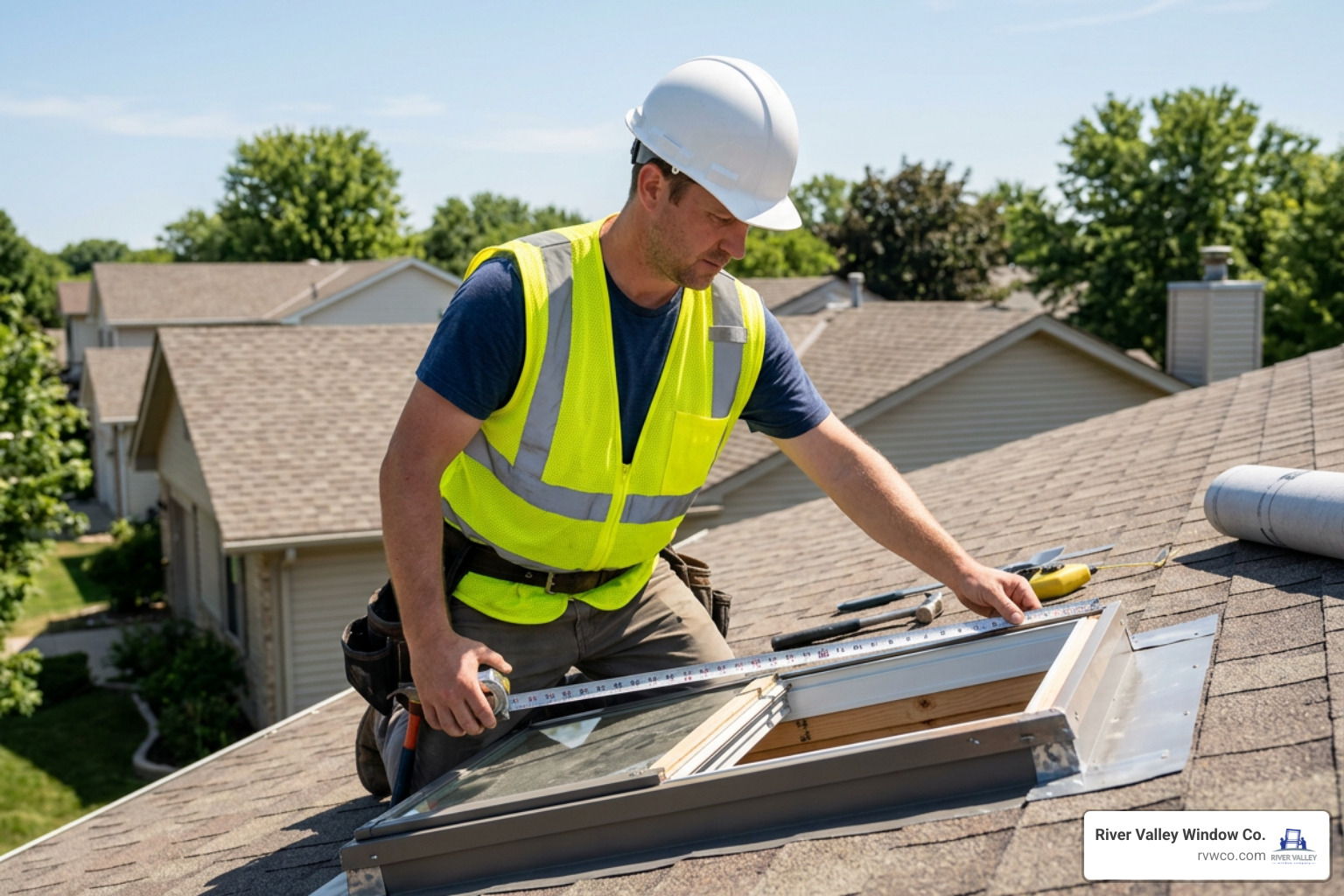
Cutting a hole in your roof is not a project to hand over to a neighborhood handyman or an uncertified general contractor. Skylight installation is a highly specialized trade requiring precise carpentry, roofing, and waterproofing skills. When exploring local Services, you must vet potential contractors thoroughly.
Why You Need a Specialized Skylight Installation Contractor
A specialized skylight installation contractor understands that a leak-proof installation requires a three-layer waterproofing system: underlayment, specialized flashing, and industrial-grade sealants.
Many general handymen attempt to fix or install skylights by slathering cheap roofing tar or caulk around the frame. This is a temporary band-aid. Because of thermal cycling—where materials expand and contract due to the intense Arizona heat—cheap sealants dry out, crack, and fail within a few seasons. A specialist relies on mechanical flashing systems, such as step flashing and custom saddle counter-flashing, which shed water naturally without relying solely on sealants.
Furthermore, a professional contractor must assess your home’s structural framing. Cutting roof rafters requires installing double headers to distribute the weight of the roof safely. If this framing is done incorrectly, it can compromise your roof’s structural integrity.
Questions to Ask Your Skylight Installation Contractor
Before signing a contract, protect your investment by asking these essential screening questions:
- Are you licensed, bonded, and insured in Arizona? (Never work with an unlicensed contractor).
- Do you pull the necessary local building permits? (Skipping permits can penalize you during future home sales or insurance claims).
- Are your installers factory-trained or certified? (Manufacturer certifications ensure the installation meets strict warranty guidelines).
- What does your workmanship warranty cover, and how long does it last?
- How long will the installation take, and how do you protect the interior of my home from dust and debris?
The Installation Process: How to Prevent Leaks and Ensure Energy Efficiency
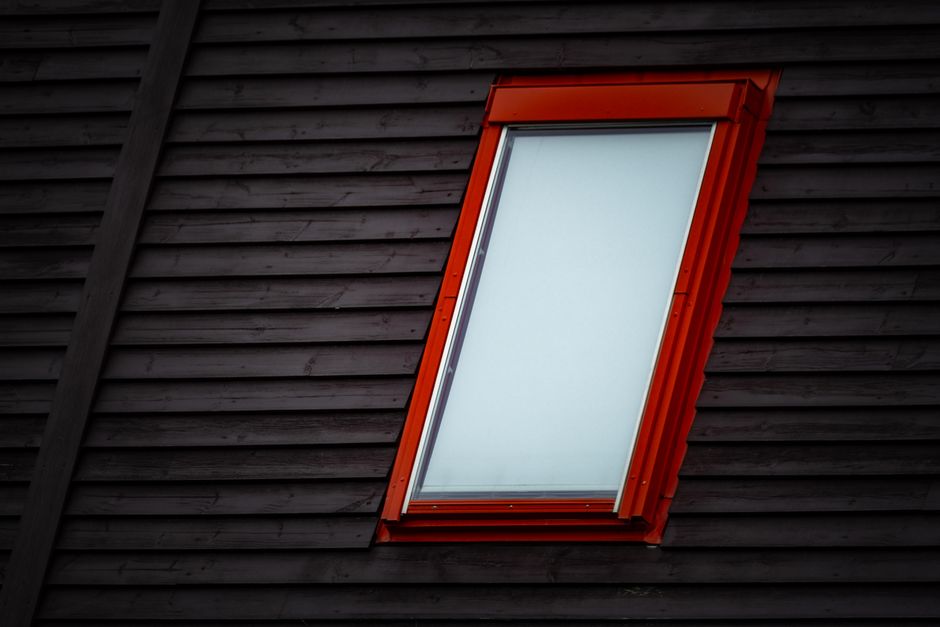
A successful installation is a two-phase process: the exterior rooftop work and the interior ceiling finish. In our dry, high-heat climate, understanding Why Are Skylights Becoming So Popular in Arizona? often comes down to how well the system blocks solar heat. Modern glass skylights utilize advanced low-E (low-emissivity) coatings and argon gas fills between the panes. This technology blocks up to 99% of harmful UV rays, protecting your furniture from fading and keeping your home cool.
The Rooftop Phase and Waterproofing
The rooftop phase begins with precisely measuring and cutting the roof deck. Once the opening is framed, the contractor installs a heavy-duty underlayment that wraps around the skylight curb. Next, the flashing is woven into the surrounding roofing material (whether shingle, tile, or metal).

For pitched roofs, step flashing is installed along the sides, and a custom-formed saddle flashing is placed at the top edge to redirect water around the unit. If you opt for a solar-powered venting model, this is also when the integrated solar panel and rain sensors are calibrated.
The Interior Phase and Light Shaft Construction
If your home has a vaulted ceiling, the skylight frame is visible directly from the room. However, if you have a flat ceiling with an attic space above, the contractor must construct a custom light shaft.
This interior phase involves building a framed drywall tunnel from the roof down to your ceiling. The light shaft must be thoroughly insulated and sealed to prevent attic air from leaking into your living space. Once framed and insulated, the drywall is taped, mudded, textured, and painted to match your existing ceiling seamlessly.
Skylight Maintenance, Repair, and Replacement
Even the highest-quality skylights have an operational lifespan of about 15 to 25 years. Over time, desert heat and intense UV radiation can degrade rubber seals, leading to common issues.
If you notice moisture or fogging between the glass panes, it means the insulated glass seal has failed. In this case, the glass unit must be replaced. If you notice water running down the drywall of your light shaft during our summer monsoon storms, the issue is almost always a flashing failure.
When deciding whether to repair or replace, age is the deciding factor. If your unit is over 15 years old, investing in a full replacement is usually the smartest financial decision. Modern replacement units offer vastly superior energy efficiency compared to older models, helping you save on cooling costs. If you are planning a roof replacement, it is highly recommended to coordinate your Skylights replacement at the same time to avoid disturbing your new roof later.
Frequently Asked Questions About Skylight Installation
How much does skylight installation typically cost?
The cost of a skylight project varies based on the unit type, roof complexity, and whether you need a custom light shaft. A standard skylight window itself typically ranges from $200 to $1,300. Total installation costs, including labor, framing, and interior drywall work, will increase this range. If you are looking for a highly budget-friendly alternative, sun tunnels are an excellent choice, typically costing roughly half the price of a traditional skylight installation.
How long does a standard skylight installation take?
A standard single skylight replacement (removing an old unit and installing a new one) is incredibly fast, usually taking between 1 to 4 hours to ensure everything is completely water-tight. A brand-new installation on an existing roof typically takes one full day for the exterior roofing penetration and waterproofing. If your home requires building an interior light shaft through an attic, the framing, insulation, and drywall finishing will add another one to two days to the project.
Are there energy-efficient or solar-powered options available?
Absolutely. Modern glass skylights feature advanced low-E coatings and dual-pane construction to minimize heat transfer. Additionally, solar-powered venting skylights utilize built-in solar panels to operate, meaning they require no electrical wiring during installation. As an added bonus, solar-powered venting skylights and solar blinds are eligible for a 30% Federal Tax Rebate, making them an incredibly smart and cost-effective upgrade for Arizona homeowners.
Conclusion
Hiring a certified, experienced skylight installation contractor is the single best way to ensure your home improvement project is a stress-free success. At River Valley Window Co., we specialize in delivering fast, non-invasive installations throughout Lake Havasu City and Northwestern Arizona.
As a trusted dealer of premium Milgard products, we are proud to offer energy-efficient solutions built to withstand the harshest desert elements. Whether you choose the elegant, classic design of the Milgard Tuscany® V400 or Tuscany® V450, or the sleek, modern lines of the Trinsic™ V300, you are investing in unmatched durability.
We back our work with Milgard’s industry-leading warranty options. You can choose the standard Limited Lifetime Warranty (which varies depending on new construction versus replacement scope and occupancy, and converts to a 10-year parts-only warranty if transferred). Or, you can upgrade to the paid Full Lifetime Warranty. This premium upgrade is valid for the natural lifetime of the original consumer owner, is non-transferable, and covers both parts and labor. It even includes glass breakage coverage automatically for the Tuscany® V400 and V450 lines (and can be added as an upgrade for the Trinsic™ V300).
Please note that certain components have shorter limits, including a 10-year limit on insulated glass unit delamination, blind defects, and peeling or fading finishes, and a 1-year limit on weatherstripping, screens, and stainless steel hardware corrosion.
Ready to transform your home with beautiful, natural light? Contact Us today to schedule your free consultation, or Upgrade your home today with professional skylight services from River Valley Window Co.!